7 Tips for Choosing a High Temperature Data Logger

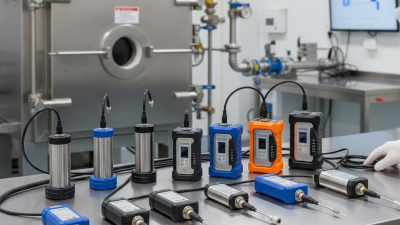
Choosing a high temperature data logger is not simply a matter of selecting the highest advertised temperature. Real applications expose weaknesses quickly. A logger may sit beside a furnace, inside a sterilization chamber, or against a vibrating exhaust line. Heat, moisture, dust, and poor probe placement can distort useful results.

Metrology expert Dr. Barry N. Taylor stated, “The result of a measurement is only an estimate of the value of the measurand.” That principle matters here. A high temperature data logger should be judged by calibrated accuracy, sensor compatibility, response time, and uncertainty. ISO/IEC 17025 traceability can strengthen confidence, but a certificate cannot correct careless installation. Small details matter. A loose thermocouple can create a large error.

This guide presents seven practical tips for choosing the right instrument. It examines temperature range, probe materials, accuracy, calibration, memory capacity, battery performance, software, and enclosure protection. Wireless connectivity also deserves attention, especially near metal equipment or dense industrial walls. Some systems promise seamless remote monitoring. They may still lose data during signal interruptions.

Do not ignore usability. A logger with excellent specifications can fail when operators cannot configure alarms quickly. Review export formats, audit trails, and data security before purchase. Test the device under realistic conditions, not only in a clean laboratory. No logger is perfect. That is uncomfortable, but useful. The best choice balances measurement performance, operating conditions, maintenance needs, and total ownership cost. A careful decision protects both the data and the process it represents.
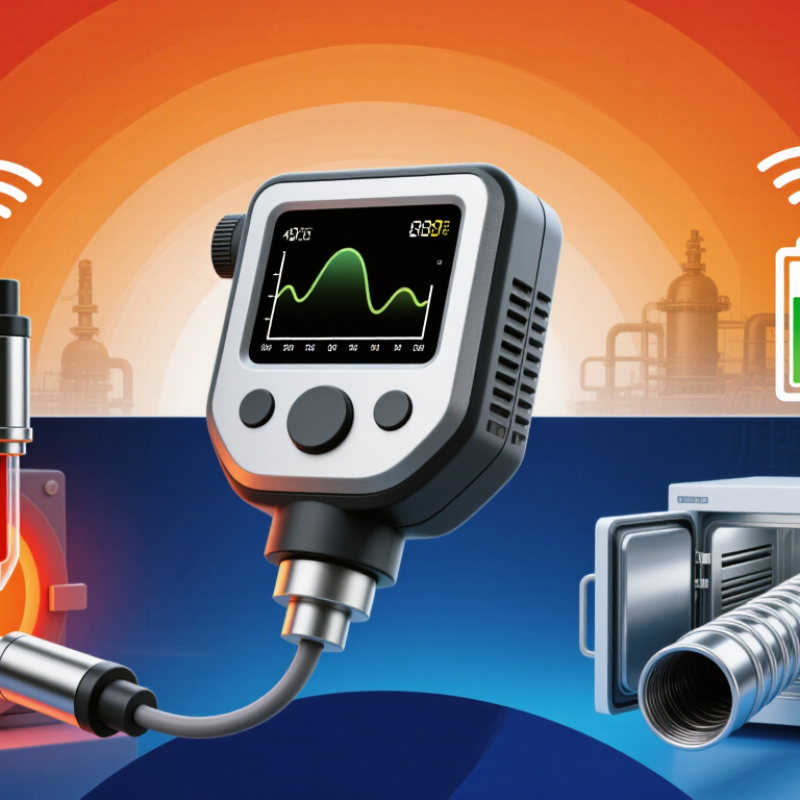
7 Tips for Choosing a High Temperature Data Logger

Define the Temperature Range and Measurement Requirements

Choosing a high-temperature data logger starts with the real thermal profile, not the largest number on a product sheet. Record the normal range, brief spikes, heating rate, cooling rate, and exposure time. A furnace holding 600°C needs a different design from a process reaching 250°C for ten minutes. It sounds obvious. It is often missed.

NIST Technical Note 1297 emphasizes that measurement results must include uncertainty, not only a displayed temperature. Define your allowable error before selecting the logger. If a process limit is 500°C and your safety margin is 5°C, a ±2°C error consumes 40% of that margin. That may be unacceptable. ASTM E230/E230M provides thermocouple reference information, while IEC 60751 supports requirements for industrial platinum resistance thermometers. These documents help match sensor type, tolerance, and temperature range to the application.

Sampling speed also matters. As a practical starting point, record at least five readings during the shortest meaningful temperature event. A slow kiln cycle may need one-minute intervals, while a rapid heat-treatment step may require seconds. Check whether the probe measures the product, air, or chamber wall. They are not identical. I would also verify calibration at several points across the working range, rather than only near room temperature. The uncomfortable lesson is that a logger rated for extreme heat can still produce weak data when the sensor, placement, or uncertainty budget is poorly defined.
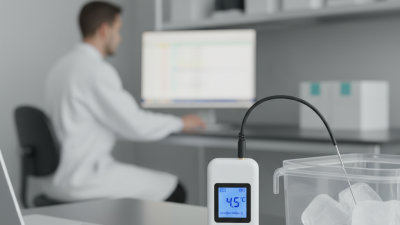
7 Tips for Choosing a High Temperature Data Logger: Define the Temperature Range and Measurement Requirements

Select a logger with a temperature rating above the process maximum and a sampling interval fast enough to capture meaningful changes. The representative values below compare common high-temperature applications.

A practical selection rule is to choose a logger whose maximum rated temperature is at least 20°C above the expected process maximum. Faster sampling is useful for rapid thermal changes, while slower intervals can reduce memory usage during stable processes.

Select the Appropriate Sensor Type and Accuracy Level

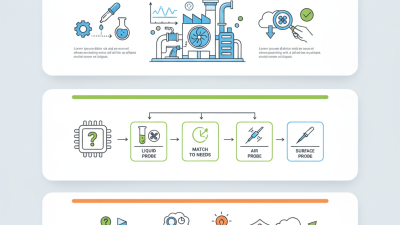
Choosing a high temperature data logger starts with the sensor, not the display. The sensor must match the temperature range, material, response speed, and installation method. Thermocouples suit very high temperatures and react quickly to sudden changes. RTDs usually provide better stability and precision at moderate high temperatures. Infrared sensors measure without contact, but dust, steam, surface color, and viewing angle can distort readings.

Accuracy needs practical context. A specification of ±0.5°C may sound impressive, yet it can be meaningless if the sensor adds another ±2°C. Check the complete measurement chain, including the logger, probe, connector, and calibration uncertainty. For a furnace near 500°C, compare the required process tolerance with the actual combined error. If the process allows ±5°C, extreme accuracy may add cost without improving control. If a laboratory test allows only ±1°C, a basic probe may fail quietly.

During field testing, I have seen probes installed too close to heating elements. They recorded the heater’s radiation instead of the product temperature. Placement matters. Use a suitable sheath, secure the sensing tip, and avoid sharp bends near the connection. Calibration records from a competent laboratory strengthen traceability and make results easier to defend. Still, no sensor choice is perfect. Response time, durability, and accuracy often compete. A fast probe may be less rugged. A durable probe may respond slowly. Check the readings against a trusted reference before relying on them.

Evaluate Logger Memory, Sampling Rate, and Battery Life

7 Tips for Choosing a High Temperature Data Logger

Evaluate Logger Memory, Sampling Rate, and Battery Life

Choose memory capacity according to your test duration, channel count, and sampling interval. A logger recording four sensors every minute needs far more storage than a short, single-point test. Small memory fills quickly. Check whether the device stops recording or overwrites older data when full. Losing early readings can weaken an otherwise careful investigation. In field testing, I have seen this setting overlooked.

Match the sampling rate to the fastest temperature change you need to capture. A furnace ramp may require readings every few seconds, while warehouse monitoring may need only five-minute intervals. Faster sampling creates larger files and increases power use. Select adjustable intervals when conditions vary. Also check timestamp accuracy and measurement resolution. A precise display cannot repair poor sampling choices. That detail is easy to miss.

Treat battery life as a tested specification, not a marketing promise. High temperatures, frequent readings, alarms, and wireless communication can reduce runtime sharply. Review battery performance at your actual operating temperature. Leave a practical reserve for setup delays and retrieval problems. A low-battery warning is essential. So is a replaceable battery, when permitted by the installation. I would also perform a trial run before placing the logger near a hot process. My earlier assumption that room-temperature battery data was sufficient proved wrong. Calibration records, sensor limits, and thermal shielding deserve the same careful review.

Check Durability, Calibration, and Environmental Protection

7 Tips for Choosing a High Temperature Data Logger

Check Durability, Calibration, and Environmental Protection

High heat exposes weak construction quickly. Choose a logger with a heat-rated enclosure, stable sensors, and protected connectors. Stainless steel housing can resist repeated handling, but it does not guarantee long-term performance. Check the stated operating range, storage range, vibration resistance, and moisture protection. An IP rating helps, though it is not a substitute for testing the actual installation.

Calibration deserves equal attention. ISO/IEC 17025 emphasizes traceable measurement results and controlled laboratory competence. NIST Technical Note 1297 also explains that measurement uncertainty should be evaluated, not ignored. Request calibration points near your working temperature, rather than accepting room-temperature data alone. A logger calibrated at 25°C may behave differently at 180°C. That detail is easy to miss. I have seen specifications look impressive until the calibration interval and uncertainty were read carefully.

Environmental protection depends on placement. The WMO State of the Global Climate 2023 report recorded 2023 as about 1.45°C above the pre-industrial average, showing why reliable temperature records matter across changing conditions. For ovens, kilns, transport containers, or outdoor equipment, examine condensation resistance, cable insulation, battery limits, and sensor response time. Consider protective probes for dust or corrosive gases. They can improve survival, but may slow response. That trade-off should be tested before deployment. A practical field check is simple: compare two calibrated units at the hottest point, then inspect drift after repeated heat cycles. Perfect readings are not guaranteed. Reliable evidence comes from documented checks.

Compare Data Retrieval, Software, and Compliance Features

7 Tips for Choosing a High Temperature Data Logger

Compare Data Retrieval, Software, and Compliance Features

Tip 1

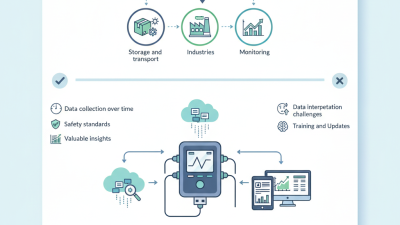
Test data retrieval before installation. Confirm whether files download through USB, wireless transfer, or removable storage. Check performance near furnaces, chambers, and metal walls.

Tip 2

Examine the export formats. CSV files support analysis, while PDF reports may simplify inspections.

Tip 3

Ask how failed downloads are handled. A clear recovery process matters when samples cannot wait.

Tip 4

Review the software interface with real temperature records. Menus should be clear, and graphs should show alarms, gaps, and time zones.

Tip 5

Check user permissions and audit trails. Reliable software records who changed settings and when.

Tip 6

Confirm whether data remains readable after software updates. This detail is easy to overlook. It can become expensive later. A trial account may reveal confusing screens that product brochures hide.

Tip 7

Match compliance features to your documented process. Look for calibration certificates, traceability information, secure timestamps, and protected records. Do not assume one certificate satisfies every industry requirement. Requirements vary by application and region. Verify retention periods and electronic-signature controls with your quality team. Also inspect the logger’s calibration interval and alarm history. A device may measure accurately today, but drift still requires planning. In my view, the strongest choice is not always the most advanced model. It is the one your staff can retrieve, review, and defend during an audit. Test it under realistic heat, workload, and network conditions. Small mistakes happen. Your selection should expose them early.