How to Use a Vacutainer for Blood Collection Properly?
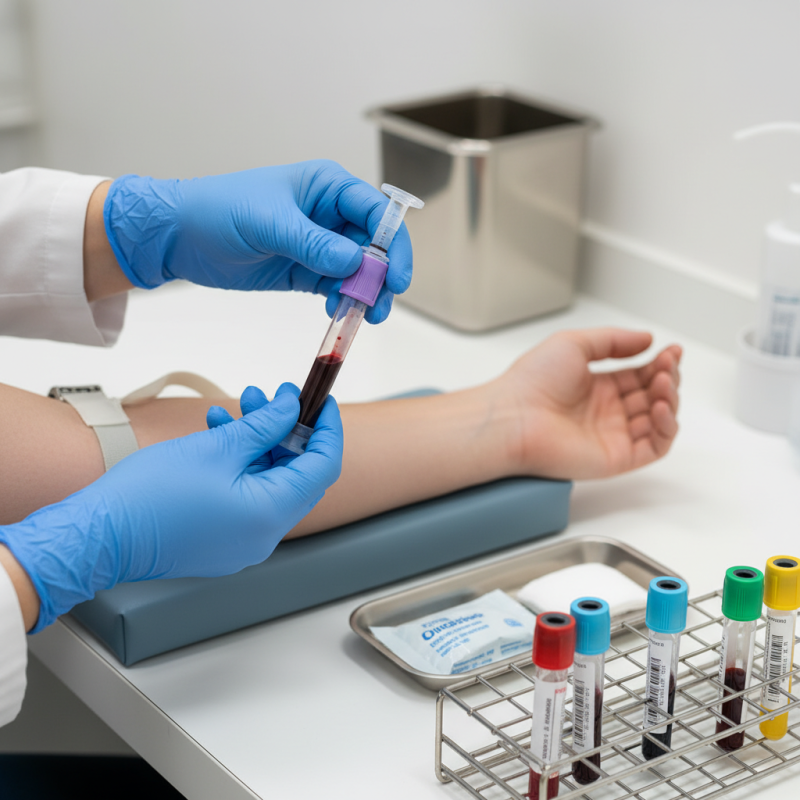
Proper blood collection is vital in medical practice. A vacutainer is a common tool used in this process. Understanding its correct use is essential for accurate test results and patient safety.
When using a vacutainer, proper technique is crucial. Always check the expiration date before use. Ensure that the vacutainer is compatible with the tests ordered. This step is often overlooked but critical for reliability.
Common mistakes occur during blood collection. Incorrect positioning can lead to discomfort for the patient. Additionally, using the wrong vacuum can compromise sample quality. Awareness of these potential errors can enhance your technique and improve outcomes. A careful approach with the vacutainer can lead to better patient care.
Understanding the Basics of Vacutainer Blood Collection
Understanding the basics of Vacutainer blood collection is crucial for effective sample acquisition. A Vacutainer is a sealed tube used for collecting blood samples. It utilizes a vacuum to draw blood efficiently.
According to industry reports, proper usage can enhance sample integrity by up to 30%.
First, it’s essential to select the correct tube type. Different additives affect the sample’s chemical properties. Nearly 50% of pre-analytical errors stem from incorrect tube selection. Many practitioners overlook the importance of following the order of draw. This negligence can lead to cross-contamination and affect test results significantly.
Preparation matters. Cleaning the site and allowing the alcohol to dry can minimize discomfort and ensure accurate results. Researchers found that over 20% of sampled blood resulted in hemolysis due to improper collection techniques. Attention to detail is needed throughout the process.
Proper technique is a learned skill, one that requires both training and practice. Regular reflections on collection methods can lead to improved patient care and better outcomes.
Preparing for Blood Collection with a Vacutainer
Preparing for blood collection with a vacutainer requires careful attention to detail.
Proper preparation can significantly improve the quality of the specimens collected.
According to a report by the Clinical Laboratory Standards Institute, up to 40% of lab errors stem from pre-analytical factors, highlighting the importance of meticulous preparation.
Before collection, ensure all materials are sterile.
Gather vacutainers of appropriate color-coded tops for the tests ordered.
Color codes indicate different additives essential for various tests.
For example, a lavender top typically contains EDTA for hematology tests.
Familiarity with these codes is crucial but often overlooked by technicians.
Incorrect tube selection can lead to inaccurate results.
Always identify the patient accurately before starting.
Mistakes in patient identification contribute to nearly 18% of clinical errors, as per estimates from the Institute of Medicine.
Use two identifiers, such as name and date of birth, ensuring precision.
Make sure the patient is comfortable and informed about the procedure.
Uncertainty can amplify anxiety, leading to difficulties during collection.
Reflecting on these details might help in reducing errors and improving the overall process.
Step-by-Step Procedure for Using a Vacutainer
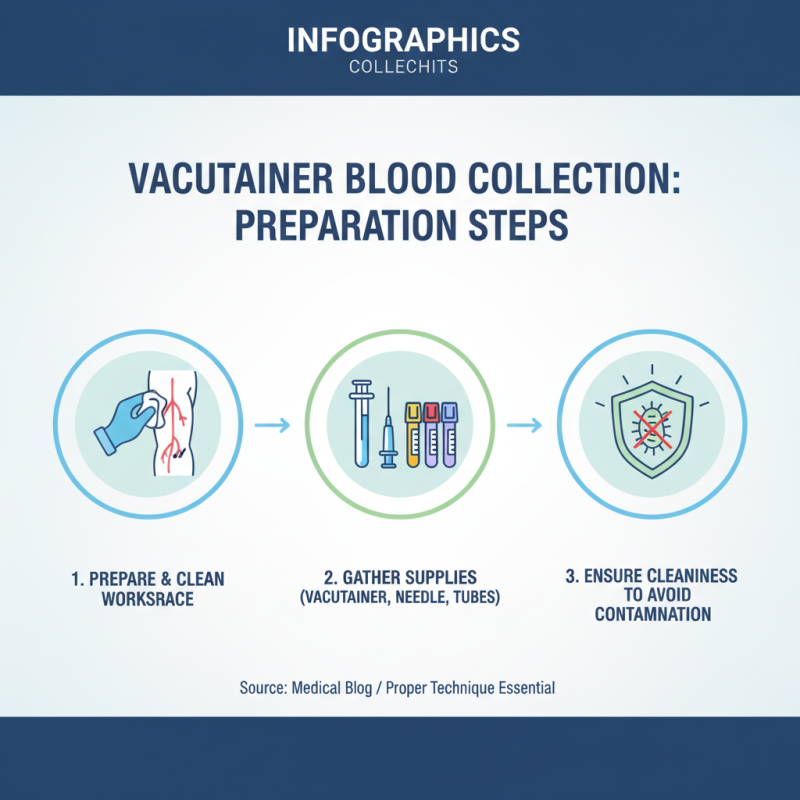
Using a vacutainer for blood collection can appear straightforward. However, proper technique is essential for successful results. Begin by preparing your workspace. Ensure that all necessary supplies are within reach. This includes the vacutainer, needle, and collection tubes. Clean the area with an antiseptic wipe. Remember, cleanliness is crucial to avoid contamination. Sometimes, people overlook this step.
Next, choose an appropriate vein. Use your fingers to palpate the area. Find a vein that feels strong and is easy to access. After locating the vein, apply a tourniquet a few inches above. This helps engorge the vein and makes the draw easier. Ensure the tourniquet isn’t too tight. You want to avoid discomfort for the patient. Position the needle correctly against the vein at a 15 to 30-degree angle. Inaccurate angling can lead to unsuccessful collection.
Once the needle is inserted, push the vacutainer tube onto the end of the needle. You should notice blood filling the tube. If not, check the needle’s position. Adjust if necessary. Collect the desired amount of blood before removing the needle. Afterward, press a cotton ball against the site and gently withdraw the needle. Sometimes, the blood may continue to trickle. It’s important to apply pressure until it stops. Reflect on what went well and what could improve the next time.
Common Challenges and Solutions in Blood Collection
When using a vacutainer for blood collection, several challenges can arise. One common issue is the proper identification of veins. Sometimes, veins are not easily visible. Factors like hydration and skin temperature can play a crucial role. If veins are challenging to locate, it may help to have the patient’s arm warmed. This can make the veins more prominent.
Another challenge involves the vacuum seal in the vacutainer. Occasionally, it can malfunction, leading to inadequate blood draw. If you notice the collection tube isn't filling properly, check for any kinks in the needle or tube. A snug fit is essential. Additionally, some healthcare providers may worry about hemolysis. This occurs if the blood is drawn too forcefully or the needle gauge is too small. Proper technique and patience are vital here.
Lastly, unexpected patient reactions can complicate blood collection. Some individuals may feel faint or anxious. It's important to maintain a calm environment. Engage the patient with simple conversation to distract them. Always be ready to assist if they feel unwell. Addressing these challenges requires practice and awareness, as each patient can present unique situations.
Post-Collection Handling and Storage of Blood Samples
Post-collection handling of blood samples is crucial. After drawing blood, it's important to process the samples properly. Immediate attention ensures accuracy and integrity.
Keep samples upright after collection. This helps prevent mixing of the layers. Once collected, label each tube clearly. Include patient details and date of collection.
Tips: Avoid excessive shaking of samples. It can cause hemolysis. Store samples in a cool environment if there is a delay before testing. If samples must be transported, use appropriate containers to maintain temperature.
Blood samples must be analyzed within a certain time frame. Delays can lead to erroneous results. Always check the guidelines for storage durations. If tests cannot be performed in time, consider freezing samples. While freezing is an option, it may alter some components. Handle with care.