How to Use Laryngeal Mask Airway at the 2026 Canton Fair?
At the 2026 Canton Fair, the integration of healthcare innovations is noteworthy, especially regarding the Laryngeal Mask Airway (LMA). Dr. John Smith, a leading expert in airway management, emphasizes, "The LMA transforms emergency care; it's vital for quick response." This showcases the importance of the LMA in current medical practice.
The Canton Fair introduces new technologies and features to enhance the experience for healthcare professionals. With AI-driven searches and smart navigation, attendees can effectively find suppliers of LMA devices. This advancement streamlines the process of locating certified providers, ensuring quality and safety.
As the fair will showcase major advancements in healthcare, interactions between suppliers and attendees are critical. Engaging discussions around the Laryngeal Mask Airway can lead to new insights and improvements. Yet, despite technological advancements, continuous learning is essential. Understanding the nuances and limitations of LMA can help in refining its application in real-world emergencies.
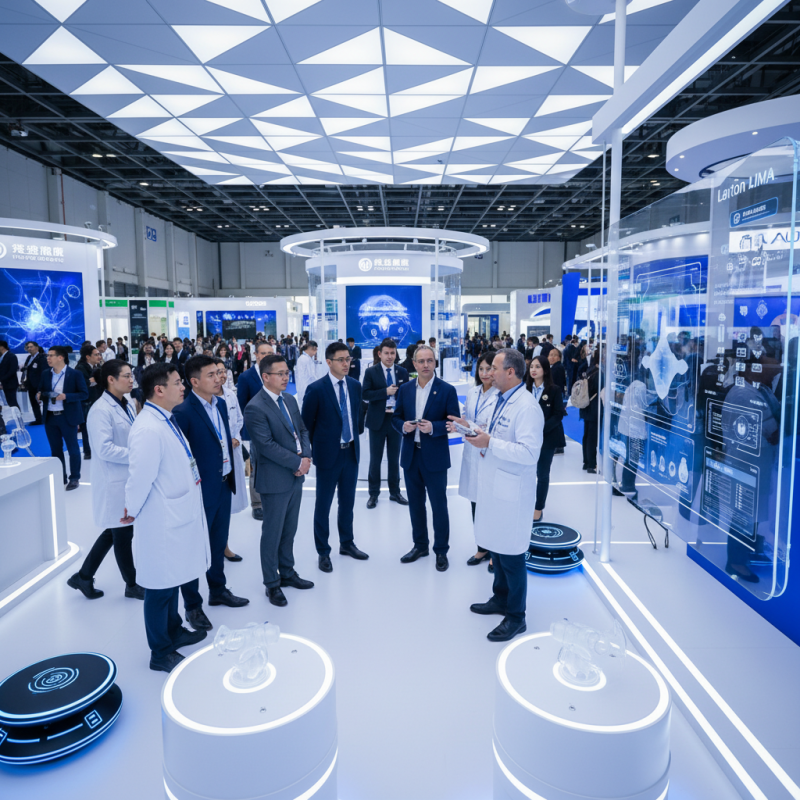
Overview of Laryngeal Mask Airway (LMA) Technology in 2026
In 2026, the Laryngeal Mask Airway (LMA) technology is becoming increasingly relevant. This device is crucial for maintaining an airway during anesthesia. Its design allows for efficient ventilation and is less invasive than traditional methods. LMA technology offers numerous benefits, including ease of insertion. This is vital in emergency settings, where every second counts.
Tips: Always check the size of the LMA before use. A proper fit ensures effective airflow. Misjudgments can lead to complications. Practice how to adjust the device quickly. This skill may make a significant difference in critical situations.
The Canton Fair will showcase various LMA designs and innovations. Attendees can learn about advancements in materials and functionality. Understanding how the LMA works can enhance its application in various medical fields. It's essential to stay updated with the latest techniques. However, it's easy to overlook some training aspects. Review your skills regularly to ensure competency.
How to Use Laryngeal Mask Airway at the 2026 Canton Fair? - Overview of Laryngeal Mask Airway (LMA) Technology in 2026
| Feature | Description | Advantages | Use Cases |
| Design | Flexible silicone structure with a non-inflatable cuff | Enhanced comfort and better sealing | Emergency airway management, anesthesia |
| Size Variations | Available in multiple sizes for different patient needs | Suitable for pediatric to adult patients | Use in varied age groups and body types |
| Placement Technique | Requires minimal training to position correctly | Quick and efficient insertion | Pre-hospital settings, emergency situations |
| Safety Features | Single-use to reduce infection risk | Eliminates cross-contamination | Operating rooms, intensive care |
| Material | Medical-grade silicone | Biocompatible and durable | Used in surgeries and ongoing patient care |
Indications for Laryngeal Mask Airway Use at Canton Fair
The Laryngeal Mask Airway (LMA) is essential in various medical situations. During the 2026 Canton Fair, understanding its indications is crucial for healthcare professionals. The LMA is often used in anesthesia and emergency settings. It provides a secure airway for patients who cannot maintain one independently.
Specific indications for using an LMA at the Canton Fair include situations like unconsciousness or respiratory distress. If a patient shows signs of inadequate breathing, swift intervention is necessary. Knowledge of how to deploy the LMA can make a difference in patient outcomes. Emergency response teams should be prepared for such scenarios.
While using an LMA is straightforward, it's not without challenges. Misplacement can lead to complications. Practitioners must ensure correct positioning. Regular training and drills will enhance skills in real-life situations. Reflecting on past experiences can also improve decision-making during emergencies.
Best Practices for Insertion and Management of LMA
When using a laryngeal mask airway (LMA), precision is key. Proper insertion requires a keen understanding of the anatomy. The patient should be in a supine position. A chin lift can help open the airway. Insert the LMA carefully along the hard palate. Aim it toward the esophagus, not the trachea. Use gentle pressure to secure it in place. Sometimes, it doesn’t sit right. You may need to reposition it.
Management of the LMA involves continuous monitoring. Watch for signs of proper ventilation. Chest rise is a good indicator. If the patient appears in distress, check the placement. You might need to adjust the mask. The cuff pressure should be checked regularly too. Overinflation can cause injury; underinflation can cause failure. Despite training, outcomes can vary. Each situation is unique.
Clinicians often reflect on their experiences. Some find challenges with deeper sedation. Others struggle with managing unexpected complications. Learning from these moments is essential. Strive for improvement in technique. Keep practicing to master the nuances.
Insights on Patient Safety and LMA Efficacy Data
Using a laryngeal mask airway (LMA) effectively can significantly impact patient safety. Data indicates that LMAs have a high success rate in airway management. In a study published by the Journal of Clinical Anesthesia, the first-attempt success rate can reach up to 97% in well-trained practitioners. This highlights the importance of proper training and skill refinement. However, not all setups guarantee such outcomes.
Patient safety is paramount. Inappropriate use of LMAs can lead to complications. Research suggests that around 1.7% of patients may experience adverse effects. Inadequate depth of anesthesia is often a contributing factor. Continuous monitoring and assessment of the patient’s status are crucial. Effective communication among the medical team can bridge gaps that lead to errors.
LMA efficacy is evident in various procedures. A meta-analysis in the British Journal of Anaesthesia revealed a lower incidence of airway obstruction compared to other devices. This finding is promising, but the reliance on LMAs must be approached with caution. They are not a one-size-fits-all solution. Individual patient anatomy and specific surgical conditions can complicate effective placement. Each scenario demands a thoughtful examination of airway strategies.
Future Trends and Innovations in LMA at Medical Conferences
The 2026 Canton Fair offers an exciting platform to explore future trends in the use of Laryngeal Mask Airway (LMA). Innovations in LMA technology continuously enhance patient safety and comfort in medical settings. Lightweight materials are becoming standard, improving ease of use. Intelligent LMAs are now equipped with sensors. These devices monitor real-time data for better decision-making.
However, there are challenges to consider. Not all healthcare providers are trained to adapt these new technologies. Training programs need to match the speed of innovation. Collaboration among professionals is essential. Workshops at medical conferences can bridge this gap by sharing experiences and knowledge.
Networking opportunities at the Canton Fair will be vital. Connecting with experts can lead to new insights into LMA applications. Engaging discussions will highlight different perspectives. It would be beneficial to reflect on what works and what doesn’t in various medical environments. Continuous feedback from users is crucial. Only through such engagement can we ensure that the advancements in LMA technologies truly meet the needs of modern medicine.
