What is a USB Temperature Data Logger and How Does It Work?
The USB temperature data logger is a vital tool in various industries. It records temperature data over time, ensuring products are stored and transported under optimal conditions. According to a recent report by MarketsandMarkets, the temperature data logger market is projected to reach $1.1 billion by 2025, growing at a CAGR of 5.8%. This growth highlights the increasing reliance on such technology.
These devices use sensors to monitor temperatures accurately. They can interface easily with computers via USB ports, making data analysis straightforward. This ease of use is crucial in sectors like pharmaceuticals and food logistics. These industries require precise temperature control to ensure safety and efficiency. However, inconsistencies in calibration and data reporting can lead to misleading results.
Implementing a USB temperature data logger involves challenges. Users must recognize the need for regular maintenance and staff training. Overlooking these aspects can lead to data loss and high costs. Understanding the functionality of these devices is essential for improving data accuracy. With proper care, they enhance quality control in many applications.
What is a USB Temperature Data Logger?
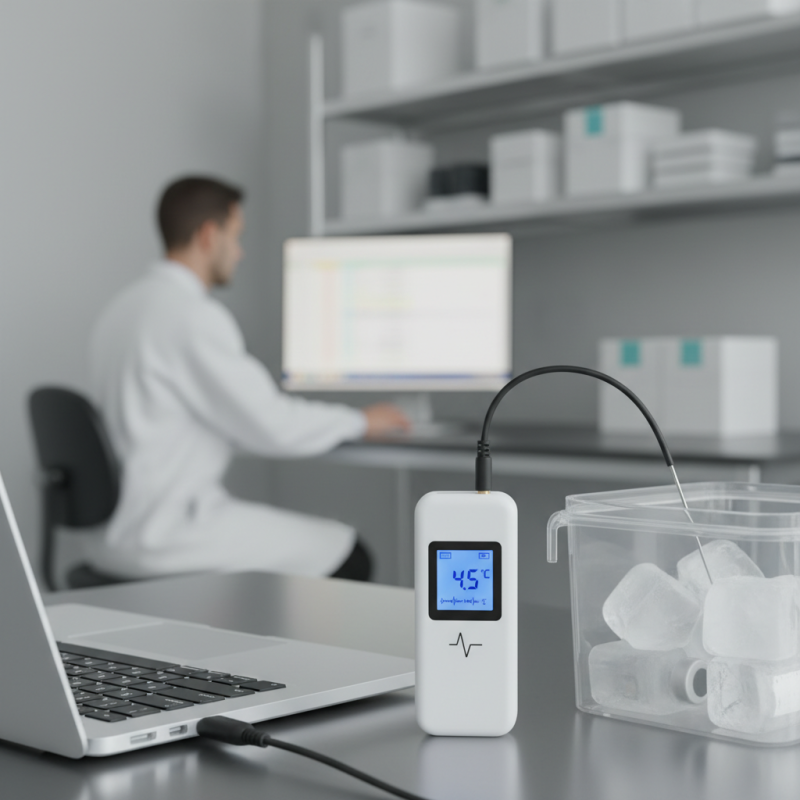
A USB temperature data logger is a small device designed to monitor and record temperature variations. It connects directly to a computer via a USB port, making data transfer simple and efficient. Typically, these loggers can store thousands of temperature readings over time, providing valuable information for various applications.
Many people use USB temperature data loggers in transportation. For example, they monitor sensitive products like food or pharmaceuticals. When exposed to temperature fluctuations, these products can spoil or become ineffective. Real-time tracking helps users ensure that temperature concerns are addressed. However, some users neglect to regularly check the data, potentially missing critical information.
Proper usage of a USB temperature data logger involves regular calibration. Some loggers may drift in accuracy if not calibrated frequently. Inconsistent readings can lead to serious issues. Additionally, understanding how to download and interpret the data is essential. Many users may struggle with this simple task, complicating the process further. Ensuring the setup is user-friendly is vital for effective temperature monitoring.
Key Components of a USB Temperature Data Logger
A USB temperature data logger is a handy device used for monitoring temperature changes. It consists of several key components that work together to capture and store temperature data. At its core, there's a temperature sensor. This sensor detects changes in temperature with great accuracy.
Another essential component is the microcontroller. This small chip processes data from the sensor. It controls when measurements are taken and manages data storage. Typically, these loggers have built-in memory where data is stored before it’s transferred to a computer. The USB interface allows users to connect the device directly to a computer.
Power management is also crucial. Many USB data loggers use batteries or are powered via USB connections. A well-designed logger should balance power consumption for extended use. Poor designs may result in frequent battery changes or quick data loss. Each component has a significant role in ensuring the logger’s effectiveness, but users must choose wisely to prevent potential issues.
What is a USB Temperature Data Logger and How Does It Work? - Key Components of a USB Temperature Data Logger
| Component |
Description |
Function |
Specifications |
| Temperature Sensor |
Device that measures temperature |
Captures temperature data |
Range: -40°C to 125°C |
| Data Storage |
Memory for storing temperature readings |
Holds recorded data until retrieval |
Capacity: 64KB to 2MB |
| USB Interface |
Connection for data transfer to a computer |
Facilitates easy data export |
USB 2.0 or 3.0 compatible |
| Battery |
Power source for the logger |
Ensures continuous operation |
Type: Lithium or Alkaline |
| Software |
Application for data analysis |
Visualizes and exports data |
Compatible with Windows and macOS |
How USB Temperature Data Loggers Record Temperature Data
USB temperature data loggers are valuable tools for monitoring temperature changes over time. These small devices are equipped with sensors to capture temperature data at regular intervals. They often connect directly to a computer via USB, making data retrieval easy and efficient. Users can quickly download recorded data for analysis and review.
When a USB temperature data logger is in use, it records temperature fluctuations, integrating these readings into a comprehensive dataset. Typically, users can set specific intervals for data collection. This feature allows for a detailed timeline of temperature variations. Many devices offer free software for data analysis, which aids in visualizing trends. Some may struggle with selecting the right logging intervals or placement for optimal results. Finding the perfect balance can be challenging yet crucial for accurate readings.
Despite their ease of use, not all users have the same experience. Some may find the technical setup tricky. Others may overlook important settings, like calibration. Learning curves exist, and not everyone captures data effectively on the first try. Nevertheless, troubleshooting these issues is part of the learning process. Collectively, USB temperature data loggers provide a straightforward solution for temperature monitoring needs.
Data Retrieval and Analysis with USB Temperature Data Loggers
USB temperature data loggers have transformed data retrieval and analysis processes across various industries. These devices are used to monitor temperature-sensitive products, ensuring they remain within safe ranges. When data is collected, it can be easily downloaded via USB to a computer for analysis. Reports indicate that nearly 40% of companies rely on data loggers for regulatory compliance and quality control.
Once plugged into a computer, data loggers transfer recorded temperature readings directly to software applications. This allows for immediate analysis, trend assessment, and visualization of data. A 2022 study showed that companies experienced a 30% decrease in spoilage when using efficient data loggers. These insights help organizations make informed decisions quickly.
**Tip:** Regularly calibrate your data logger. This ensures accuracy and reliability in your readings. Accuracy is key in industries like pharmaceuticals and food storage.
Evaluate the data trends periodically. Some users may overlook this step, risking product quality. Remember, it's important to stay proactive rather than reactive. Often, monitoring is treated as a checkbox task. Keep in mind—active engagement with data yields the best results.
Temperature Data Over a Week
This chart displays the temperature recorded over a week using a USB Temperature Data Logger. Each bar represents the average daily temperature measured in degrees Celsius.
Common Applications of USB Temperature Data Loggers
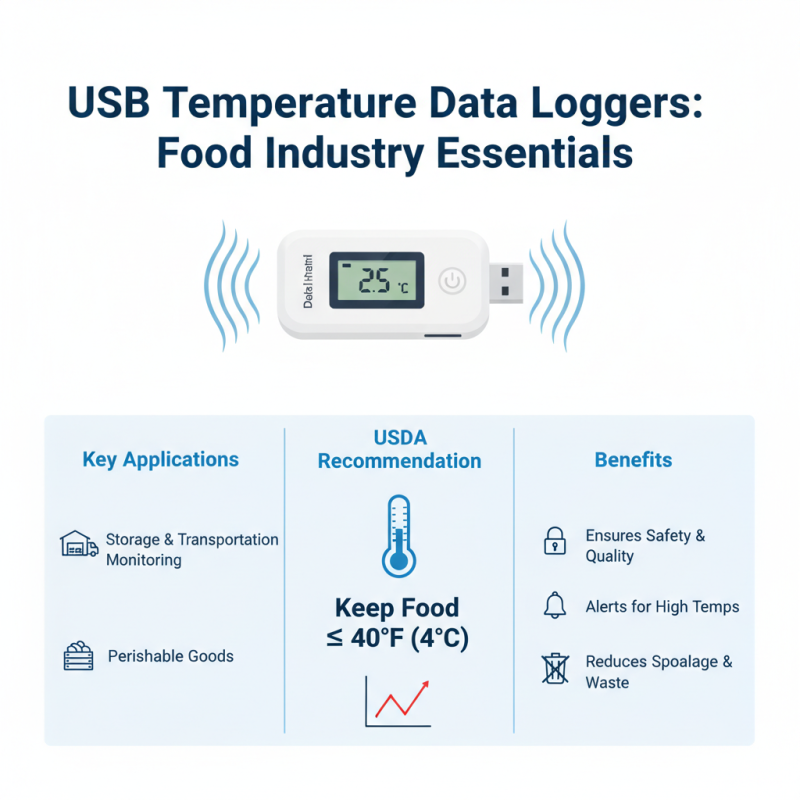
USB temperature data loggers are versatile tools with many applications across various industries. In the food industry, these devices help monitor temperature during storage and transportation. For instance, the USDA recommends keeping perishable food at 40°F or lower. Data loggers can track these temperatures, ensuring safety and quality. They alert users if temperatures rise above safe levels, reducing spoilage and waste.
In pharmaceutical settings, temperature control is critical. Vaccines and medicines often require specific storage conditions. A report from the International Society for Pharmaceutical Engineering highlighted that improper temperature monitoring can lead to significant financial losses—up to $35 million annually. USB temperature data loggers provide real-time data and allow for immediate corrective actions, helping maintain compliance with health regulations.
Lastly, in industrial applications, these devices ensure optimal conditions for equipment. Fluctuations in temperature can cause machinery failures. A study from the American Society of Mechanical Engineers emphasized that maintaining stable temperatures can increase equipment lifespan by 30%. This can save organizations both time and money in the long run.