The upcoming Canton Fair 2026 presents a unique opportunity to explore the latest innovations in the medical field, particularly in Vascular Access Devices. The global vascular access device market is projected to reach $6.7 billion by 2025, driven by the increasing prevalence of chronic diseases and the need for reliable access points for medication delivery. This demand is pushing manufacturers to enhance the efficacy and safety of these devices.
Vascular access devices are essential in various medical procedures, providing critical access to the bloodstream. Advances in technology are crucial, but there are challenges that need reflection. While devices are becoming more user-friendly, issues like infection control still require attention. Attendees at the fair will benefit from AI-driven navigation, making it easier to connect with top suppliers that meet strict quality standards.
Exploring these devices at the fair can spark meaningful discussions on improving patient outcomes. The integration of advanced manufacturing techniques aims to produce safer and more efficient vascular access devices. However, continual assessment of these innovations' effectiveness remains vital for the industry’s growth and patient safety. The Canton Fair serves as an ideal platform for these critical conversations in 2026.
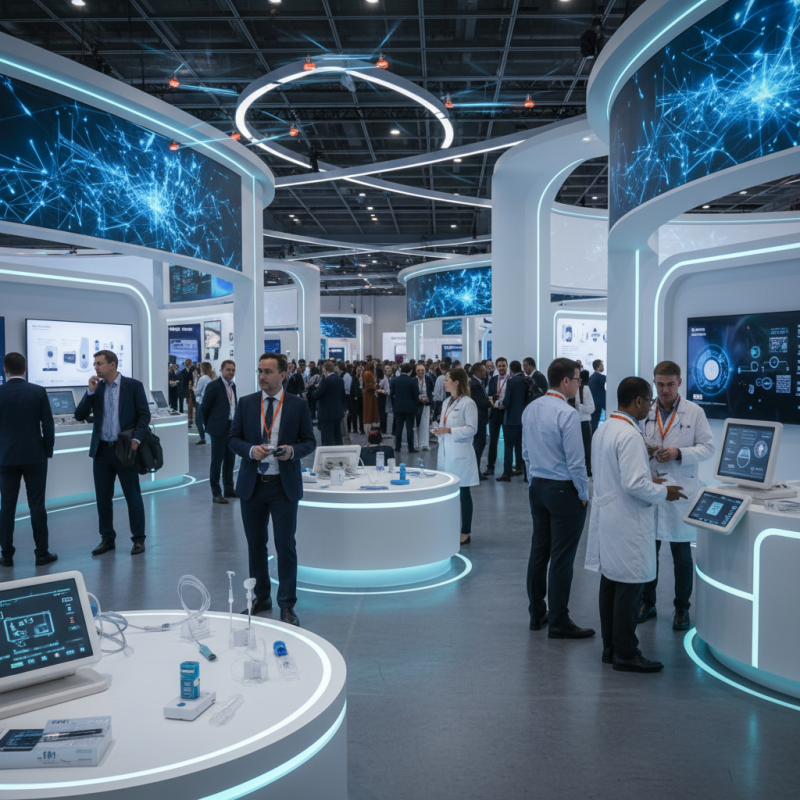
Vascular access devices play a critical role in modern healthcare. They allow for the safe administration of medications and nutrients. Additionally, they facilitate blood sampling and transfusions. A well-designed device can improve patient comfort and reduce complications. Yet, with various options available, choosing the right one can be overwhelming.
The significance of these devices cannot be overstated. They must be reliable and easy to use. Healthcare professionals often face challenges regarding device selection and placement techniques. Inadequate training can lead to problems. Moreover, patients may experience discomfort if the device does not fit well. It is essential to continually evaluate and refine the tools used in vascular access while considering patient-specific needs.
There’s an ongoing debate about the best practices in this field. Some experts argue for greater innovation, while others emphasize proven methodologies. Addressing these differing viewpoints is crucial. As we approach the Canton Fair 2026, the focus should be on exploring devices that prioritize patient safety and usability. We need devices that support healthcare providers while ensuring optimal care for patients.
The Canton Fair 2026 will showcase a variety of vascular access devices. These devices play an essential role in healthcare. They are critical for patient management in various settings, including hospitals and clinics. Different types will be presented, highlighting innovation and usability.
Among the featured devices are Central Venous Catheters (CVCs). CVCs are designed for long-term use, providing reliable access to the vascular system. There will also be peripheral intravenous (IV) catheters, which are easier to place. These options allow healthcare providers to choose based on patient needs.
Additionally, the fair will introduce new technologies, such as ultrasound-guided access devices. These facilitate precise placement, reducing complications. However, challenges remain. Not all devices are suitable for every patient. Therefore, understanding the specific applications is crucial. This will be an excellent opportunity to reflect on best practices in use.
| Device Type | Description | Common Uses | Key Features |
|---|---|---|---|
| Peripheral IV Catheters | Small, flexible tubes inserted into a peripheral vein. | Medication administration, fluid delivery. | Variety of sizes, easy insertion. |
| Central Venous Catheters | Longer catheters inserted into major veins. | Long-term medication, dialysis. | High flow rates, multi-lumen options. |
| Peripherally Inserted Central Catheters (PICC) | Inserted in a peripheral vein and advanced to central veins. | Chemotherapy, long-term IV therapy. | Reduced infection risk, long dwell time. |
| Implantable Ports | Subcutaneous ports for long-term access. | Parenteral nutrition, chemotherapy. | Easy access, minimal external visibility. |
| Intraosseous Devices | Devices inserted into the bone marrow. | Emergency situations when venous access is difficult. | Rapid access, high flow rates. |
| Arterial Catheters | Catheters inserted into arterial vessels. | Continuous blood pressure monitoring. | Real-time pressure monitoring, blood sampling. |
| Dialysis Catheters | Specialized catheters for renal dialysis. | Kidney failure treatment. | Dual lumen design, optimized flow rates. |
| Midline Catheters | Similar to peripheral IV but longer. | Intermediate-term IV therapy. | Reduced risk of complications, versatile use. |
| Transluminal Catheters | Designed for minimally invasive procedures. | Cardiac procedures, diagnostic interventions. | Enhanced maneuverability, real-time imaging capabilities. |
The Canton Fair 2026 will showcase exciting advancements in vascular access devices. Innovative technologies are transforming healthcare solutions. For instance, devices with improved safety features are gaining popularity. These advancements reduce the risks associated with traditional access methods.
Non-invasive monitoring systems are also emerging. They promise to streamline patient assessments. However, challenges remain. Some devices still require adjustments to meet regulatory standards. Additional testing is often necessary to ensure safety. Designers must balance innovation with compliance.
Moreover, user-friendly interfaces can enhance patient experience. Devices that minimize discomfort are crucial. Yet, some products may not perform as expected in real-world scenarios. Feedback from medical professionals is essential. Continuous improvement is needed to refine these technologies.
Canton Fair 2026 is just around the corner. This event will showcase the top vascular access devices. Attendees can explore various solutions for medical needs. Many manufacturers and suppliers will be present, highlighting their innovations.
Key manufacturers to watch include those focusing on quality and cost-effectiveness. Suppliers offering reliable customer support will also be noteworthy. Don't overlook small to medium-sized companies. They often bring fresh ideas and competitive pricing to the table.
Here’s a tip for visitors: engage directly with manufacturers. Ask questions and request demos. This active participation will yield better insights. Another tip is to take notes. Track features and pricing as you explore. This can help you make informed decisions later. Just remember, not all devices are perfect. They each come with potential drawbacks. It’s essential to consider user feedback wherever possible.
The vascular access device market is experiencing rapid evolution. Reports suggest that the global vascular access device market will reach USD 5.1 billion by 2025, growing at a CAGR of 6.4%. This growth is driven by an aging population and the rising prevalence of chronic diseases. However, challenges remain in terms of device adoption and usage.
Recent innovations focus on improving patient safety and comfort. Devices that minimize infection risk are gaining attention. For example, advanced catheter technologies now feature antimicrobial coatings. These advancements aim to reduce central line-associated bloodstream infections (CLABSIs). The market shows a pressing need for enhanced education for healthcare providers on these new technologies. Many providers express concerns about the complexity of emerging devices. Training sessions are often inadequate.
Moreover, the demand for multi-lumen catheters is on the rise. Healthcare professionals report that these devices improve drug administration efficiency. Yet, some users highlight difficulties with proper placement and maintenance. As the industry moves forward, feedback from providers will be invaluable in shaping future designs. The balance between innovation and practical usability remains a critical issue. Investing in user-friendly design could significantly enhance patient outcomes and satisfaction.