Top Uses of Lab Specimen Bags How They Ensure Safe Transport?
Lab specimen bags are crucial in the medical field. They provide a safe and sterile means to transport biological samples. Properly designed bags keep specimens secure and prevent contamination. This ensures accurate test results.
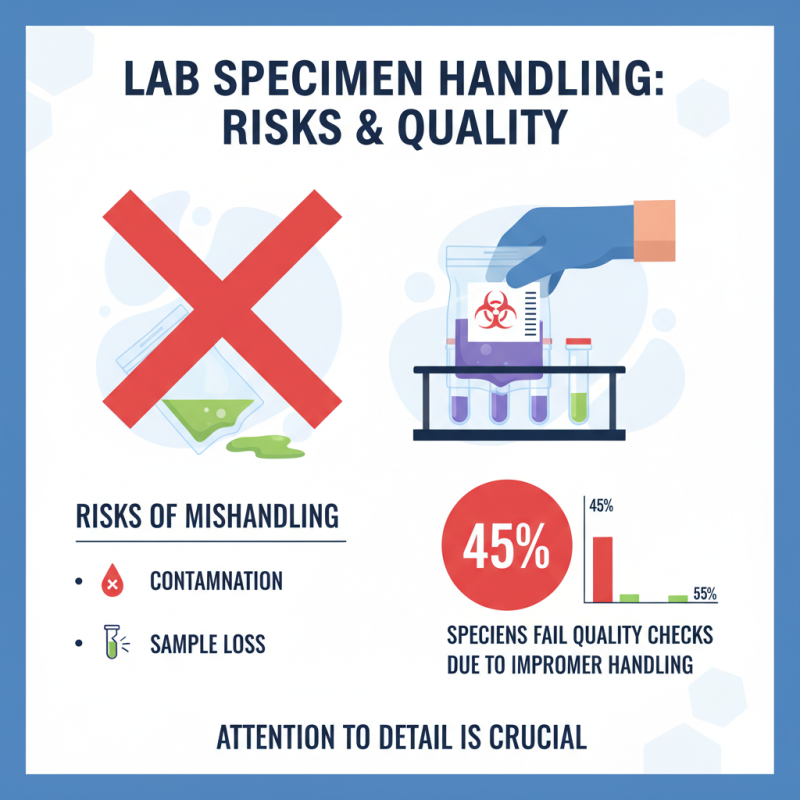
However, not all lab specimen bags are created equal. The choice of material matters. Some bags may not provide the necessary barrier against external elements. It's essential to evaluate their effectiveness routinely. Misuse or substandard bags can lead to serious consequences.
In recent years, the importance of these bags has grown. The demand for safe transport of specimens continues to increase. Yet, there are still areas for improvement. Better education on their proper handling is needed. Awareness can minimize risks during transportation.
Importance of Lab Specimen Bags in Medical Settings
Lab specimen bags play a crucial role in medical settings. They are designed to ensure the safe transport of biological samples. Properly secured specimens prevent contamination, protecting both the sample and personnel involved. These bags come in different sizes, catering to various types of specimens. Their opacity helps in maintaining confidentiality and integrity.
In addition to safety, these bags are vital for organization. Clear labeling allows for quick identification. Unfortunately, not all facilities consistently prioritize this. Some samples are still improperly labeled, leading to potential mix-ups. Training staff on best practices could reduce risks significantly.
The durability of lab specimen bags is another aspect worth mentioning. Materials should resist punctures and leaks. However, not all bags are equal in quality. Facilities must regularly assess their supplies to ensure reliability. This diligence is essential for trustworthy results in diagnostics and research.
Key Features of Lab Specimen Bags for Safe Transport
Lab specimen bags play a crucial role in the healthcare industry. Their design is tailored for safe transport of medical specimens. According to a recent report by the Clinical Laboratory Standards Institute, over 80% of laboratory errors stem from improperly labeled samples. This highlights the importance of reliable specimen transportation.
Key features of lab specimen bags include leak resistance, secure sealing mechanisms, and clear labeling areas. These attributes significantly minimize contamination risks. For instance, a study revealed that bags with color-coded labels reduced misidentification errors by 30%. This efficiency directly impacts patient safety and the accuracy of diagnoses.
Additionally, many bags are designed with layered construction. This prevents any leakage, ensuring external surfaces remain uncontaminated. However, challenges persist in areas like proper handling and storage temperatures during transport. Improper practices can still compromise specimen integrity, leading to flawed test results. More training may be required to address these human factors effectively.
Best Practices for Using Lab Specimen Bags
Lab specimen bags play a crucial role in ensuring the safe transport of medical samples. Proper use of these bags minimizes the risk of contamination and degradation. According to a recent report from the Healthcare Compliance Institute, 15% of specimen damage occurs during transport. Thus, following best practices is essential.
When using lab specimen bags, ensure they are properly sealed. A secure seal protects the contents from outside contamination. Use double-bagging for additional safety, especially for samples that may leak. This reduces the risk of exposure to hazardous substances. Additionally, labeling is vital. Clearly marked bags decrease the chances of misidentification.
Tips: Always check for punctures before use. A tiny hole can compromise the entire sample. Proper handling is equally important; specimens should be transported in a stable, upright position. Avoid stacking bags, as this can lead to crushing and loss of integrity. Stay aware of temperature regulations, especially for sensitive specimens, to maintain the required conditions.
Be sure to review your procedures regularly. A lapse in protocol can lead to serious consequences. Mistakes happen, but they can be caught with diligent oversight. Research shows that continuous training significantly reduces error rates in specimen handling.
Emerging Trends in Lab Specimen Bag Technology and Usage
The lab specimen bag industry is evolving rapidly. Innovative materials and designs are enhancing safety during transport. A recent report from the National Institutes of Health indicates effective barriers reduce contamination risks by over 30%. This change is crucial for preserving specimen integrity.
Emerging trends include biohazard indicators on bags. These indicators alert handlers to the presence of infectious materials. New biodegradable options aim to minimize environmental impact, catering to the growing demand for sustainability. Research shows that nearly 40% of laboratories are adopting eco-friendly choices.
Despite advancements, challenges remain. Many bags still fail to meet rigorous testing standards. A survey found that 25% of samples fail due to inadequate packaging. This highlights a need for continuous improvement in design and materials. A focus on better education and training for staff can address these gaps, ensuring safer transport for vital specimens.