2026 Top Temperature Logger Types for Accurate Data Monitoring?
In the ever-evolving landscape of data monitoring, the importance of accurate temperature measurement cannot be overstated. Experts emphasize this need continuously. Dr. Emily Chen, a leading authority in temperature monitoring technologies, stated, "A reliable temperature logger is crucial for ensuring data integrity across various industries."
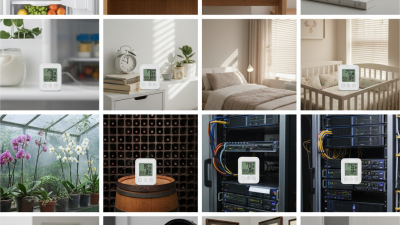
Temperature loggers have become essential tools in many fields. From pharmaceuticals to food storage, monitoring temperature is vital. However, not all temperature loggers are created equal. Some devices may lack precision, while others may be too complex to use effectively. Choosing the right type matters greatly.
Users often face challenges in data accuracy and reliability. Many overlook the importance of regular calibration or maintenance. The consequences can be severe. Operational failures and compliance issues arise when temperature loggers do not perform properly. Understanding the specific needs of your application is essential for effective monitoring.
Key Features to Consider in Temperature Loggers for 2026
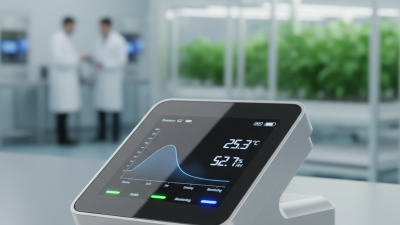
When choosing a temperature logger for 2026, key features matter. Accuracy is crucial. A logger must provide precise readings to ensure reliable data. Look for devices with high-resolution sensors. The frequency of data logging also plays a significant role. Frequent updates offer a clearer picture of temperature changes.
The ease of use is another essential factor. User-friendly interfaces make data access straightforward. Many modern loggers feature mobile app connectivity. This allows for on-the-go monitoring and data analysis. It's beneficial when quick decisions are needed. Keep in mind that battery life should not be overlooked. Longer battery life reduces the frequency of changes and potential data loss.
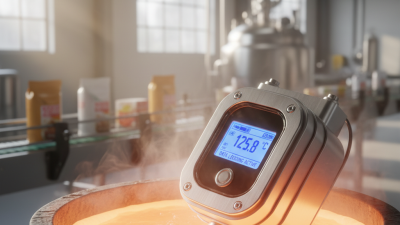
Consider the environment where the logger will be used. Some may need waterproof cases or protective features. This is important for outdoor or industrial settings. Reflect on how you will store and analyze the data too. Users often overlook this detail, leading to challenges later. Temperature loggers in 2026 must address not just monitoring, but comprehensive data management.
2026 Temperature Logger Types Comparison
Comparison of Wired vs. Wireless Temperature Loggers in 2026
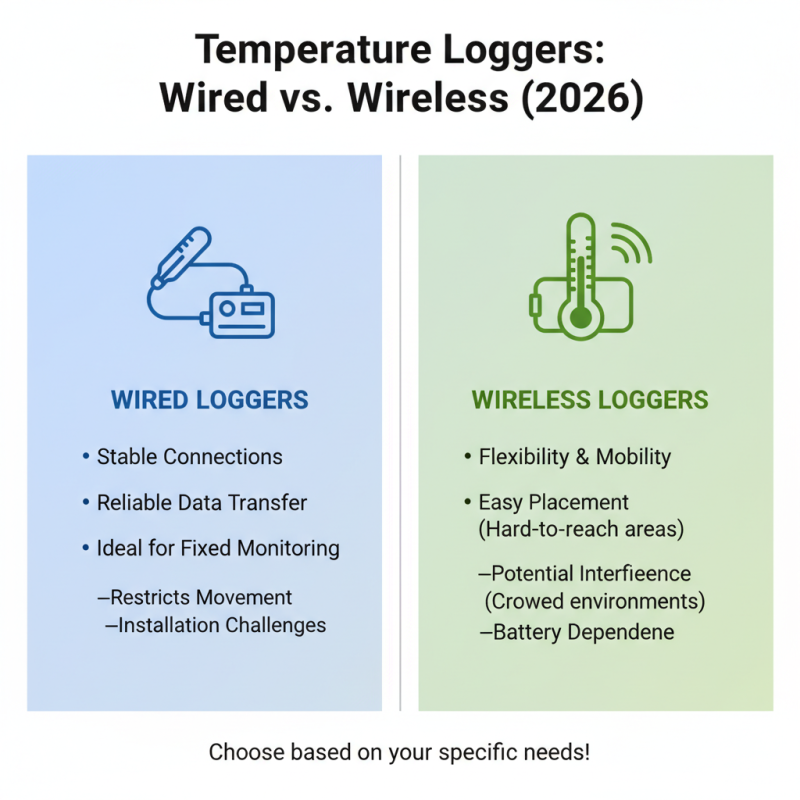
When choosing between wired and wireless temperature loggers in 2026, consider your specific needs. Wired loggers offer stable connections and reliable data transfer. They are ideal for fixed monitoring tasks. However, they may restrict movement and add installation challenges. Wireless loggers provide flexibility. They can be easily placed in hard-to-reach areas. Yet, they may suffer from interference issues in crowded environments.
Tips: Always check sensor range before installation. Wireless devices may need repeaters to cover larger areas. This can prevent lost data and ensure accuracy.
Data accuracy is crucial. Wired systems usually deliver precise readings without fluctuation. However, weather conditions can affect wireless data transmission. Make sure to monitor battery life. Wireless loggers rely on battery power, which can lead to unexpected downtime. Regular maintenance is essential for both types.
Tips: Schedule regular checks for battery and connections. Creating a maintenance log can simplify this process. It can also help you identify patterns or recurring issues.
Top Temperature Logger Brands and Their Market Shares in 2026
In 2026, the market for temperature loggers has evolved significantly. Many brands now offer various models. They focus on accuracy and ease of use. Some brands dominate this space, while others strive to carve out their niche. User feedback often highlights specific features that matter the most. These include battery life, accuracy, and data retrieval options.
Market share varies greatly among brands. Some have a significant presence, thanks to innovation and reliability. Others are struggling to gain traction. Customers often report mixed experiences, reflecting the competitive landscape. Familiarity with a brand sometimes influences purchasing decisions. New entrants sometimes offer better features but lack recognition. The demand for precise temperature monitoring continues to grow.
Temperature loggers are essential across many sectors. Industries like pharmaceuticals and food safety rely heavily on them. The need for accurate data cannot be overstated. However, not all products deliver consistent results. Consumers must research and consider their specific requirements. It becomes crucial to pick a reliable option. Many users regret not choosing wisely after facing inaccuracies. As the market matures, the focus on quality rises.
2026 Top Temperature Logger Types for Accurate Data Monitoring
| Logger Type |
Accuracy (%) |
Temperature Range (°C) |
Battery Life (Years) |
Market Share (%) |
| Type A |
0.5 |
-40 to 125 |
5 |
20 |
| Type B |
0.3 |
-50 to 150 |
3 |
15 |
| Type C |
0.2 |
-20 to 100 |
4 |
25 |
| Type D |
0.1 |
-30 to 80 |
6 |
30 |
Industry Standards and Certifications for Temperature Data Loggers in 2026
Temperature data loggers play a crucial role in various industries. In 2026, industry standards and certifications for these devices have become more vital than ever. Accurate data is essential for quality control, especially in pharmaceuticals and food storage. Manufacturers must comply with rigorous guidelines to ensure their products meet safety and reliability expectations.
As technology evolves, temperature loggers are equipped with advanced features. These may include smartphone compatibility and cloud data storage. However, not all devices pass the necessary certifications. It’s crucial for users to verify that the loggers they choose meet industry standards. Regular audits and checks can highlight compliance issues. Real-world data can reveal gaps in performance.
The implications of not adhering to industry standards can be severe. Data inaccuracies may lead to product spoilage or safety hazards. Investing in high-quality temperature loggers is essential. Users should constantly reflect on their equipment's reliability. It’s a challenge, but consistent monitoring can mitigate risks. Maintaining a critical approach to data logging is key to success in any field.
Case Studies: Successful Applications of Temperature Loggers in Various Sectors
Temperature loggers have proven essential across various sectors, ensuring precise data monitoring. In the food industry, they help maintain cold chain integrity. For example, a restaurant used temperature loggers during food deliveries. The implementation reduced spoilage significantly. However, they faced issues with placement; some sensors recorded inaccurate temperatures due to poor positioning.
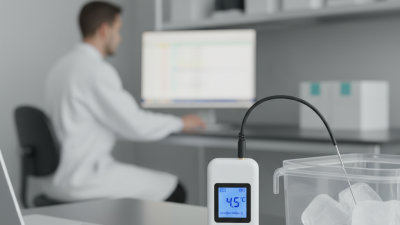
In healthcare, temperature loggers are vital for vaccine storage. A clinic utilized them to track conditions in freezers. This resulted in compliance with safety regulations. Yet, there were challenges. Occasionally, data retrieval was delayed due to technical glitches. This highlighted the need for regular equipment checks to prevent inconsistencies.
The pharmaceutical sector also benefits from accurate temperature monitoring. A manufacturer adopted loggers for sensitive products. This practice ensured that the efficacy of medicines remained intact. Nevertheless, integration with existing systems was not always seamless. Technical difficulties sometimes led to data loss, which raised concerns about reliability. These case studies illustrate the critical role of temperature loggers while emphasizing the need for careful operational practices.