What Are the Top PU Insulation Foam Systems for Buyers?
Choosing among the top Pu Insulation Foam System options requires more than comparing density, price, or advertised R-value. Buyers must examine the complete system. That includes foam chemistry, proportioning equipment, substrate preparation, installer training, curing conditions, and long-term building performance. A cheaper kit may look attractive beside a premium system. It may also create uneven coverage, lingering odor, or weak adhesion when conditions change.
Rick Duncan, Ph.D., a respected spray polyurethane foam educator, has expressed the core principle clearly: “Performance begins with the system, not the foam alone.” His observation matters because insulation does not perform in isolation. Closed-cell foam can provide strong moisture resistance and structural support. Open-cell foam can offer efficient air sealing with a softer, more flexible texture. Neither option fits every roof, wall, climate, or project budget.
Real buying decisions happen on job sites. A contractor checks the substrate temperature, watches the spray pattern, and measures installed thickness. The foam should bond evenly, without brittle edges or visible gaps. Buyers should request technical data sheets, application limits, fire-performance information, and documented quality controls. Independent testing adds confidence, but paperwork cannot replace skilled installation.
Some comparisons remain imperfect. Published R-values do not reveal every site-specific risk. A system may perform well in a laboratory yet disappoint when rushed application meets cold concrete. Therefore, this guide examines leading Pu Insulation Foam System choices through performance, reliability, installation practicality, environmental considerations, and total ownership value. The strongest option is not always the most expensive. It is the one that remains dependable after the spray rig leaves.
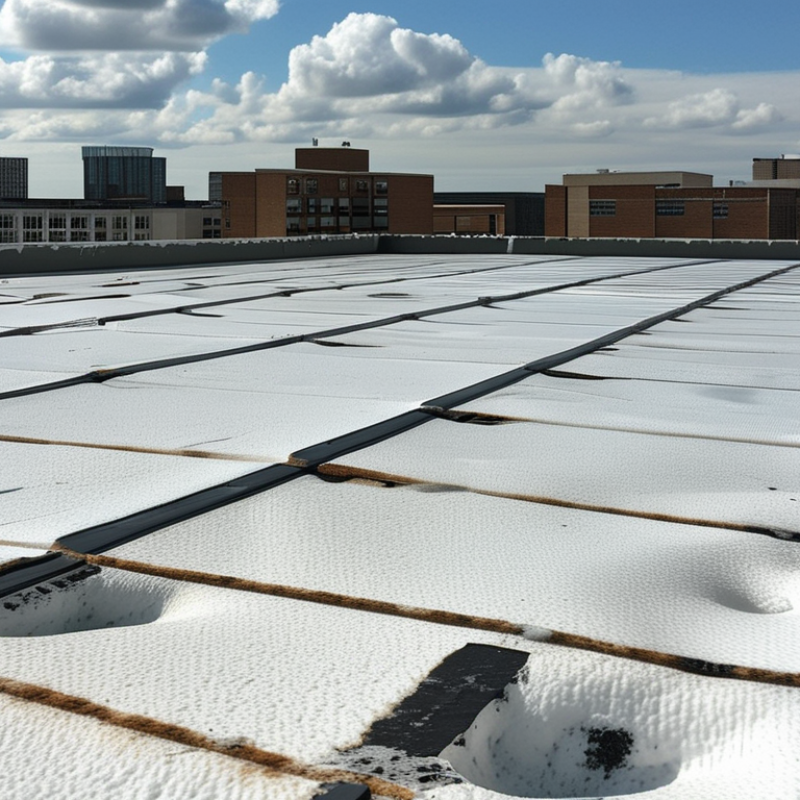
PU Insulation Foam Systems: Definition, Types, and Core Components
PU insulation foam systems create a thermal barrier by reacting two liquid components: polyol and isocyanate. The mixture expands, cures, and bonds to many building surfaces. Performance depends on density, cell structure, application temperature, and substrate condition. A simple label never tells the whole story.
Open-cell foam has a lighter structure and allows more vapor movement. It suits interior cavities where moderate insulation and sound control matter.
Closed-cell foam forms a denser layer with higher moisture resistance and insulation value. It can serve roofs, walls, cold storage areas, and exposed surfaces when the design allows it.
Buyers may also compare one-component cartridges with two-component spray or pour systems. One-component products are convenient for small gaps. Two-component systems usually offer better coverage and control for larger projects.
The core components include resin, isocyanate, catalysts, surfactants, blowing agents, and application equipment. Each part affects expansion, curing speed, adhesion, and final density. On site, I have found that clean, dry surfaces often matter as much as the foam formula. Small temperature changes can alter spray texture. It happens quickly. A smooth finish can still hide poor thickness or weak bonding. Buyers should request technical data, mixing guidance, test samples, and independent performance evidence. I would also question any claim that treats one foam type as suitable for every climate, wall assembly, or moisture condition.
How PU Foam Insulation Systems Work and Where They Are Used
Polyurethane (PU) insulation systems combine chemical components that expand, cure, and form a low-conductivity barrier. Spray foam fills irregular gaps around roofs, walls, pipes, and service penetrations. Rigid PU panels provide consistent thickness across floors, cold rooms, and external wall assemblies. Injection foam suits enclosed cavities, but installation quality becomes difficult to verify.
Closed-cell spray foam generally delivers higher thermal resistance and better moisture control than open-cell foam. Open-cell foam expands further, costs less, and can reduce airborne noise inside wall cavities. Buyers should not treat these systems as interchangeable. A cold-storage wall needs different performance from an attic ceiling. The wrong density may create weak spots.
The International Energy Agency’s Buildings 2023 report states that buildings used about 30% of global final energy in 2022. They also produced roughly 26% of energy-related emissions. Better insulation can reduce heating and cooling demand, but foam alone cannot fix poor ventilation or thermal bridges. The U.S. Department of Energy emphasizes continuous air sealing around joints and penetrations. In practice, stated R-values can disappoint when substrates are damp, dusty, or poorly prepared. That detail is easy to overlook. Buyers should request substrate checks, thickness measurements, curing records, and fire-performance documentation. Worker protection and local installation requirements also matter.
Top PU Insulation Foam System Categories for Different Buyer Needs
What Are the Top PU Insulation Foam Systems for Buyers?
One-component PU foam systems suit small repairs, window gaps, pipe penetrations, and irregular joints. They arrive in portable cans and expand after contact with air moisture. Small jobs need control. Buyers should check nozzle design, curing time, adhesion, and the foam’s final expansion. Too much foam can distort frames or waste material. I have seen inexperienced users fill a narrow cavity too quickly, then spend hours trimming hardened overflow.
Two-component systems serve larger cavities, panels, tanks, and continuous insulation work. They mix chemical components on site and provide faster, more uniform coverage. Spray systems can reach complex surfaces, while pour systems work well inside closed molds or wall cavities. Buyers should compare thermal conductivity, density, dimensional stability, and application temperature. Ventilation and protective equipment remain essential during installation. Measure twice. Coverage estimates are often optimistic.
Rigid closed-cell foam offers strong moisture resistance and high insulation value in limited space. It can fit roofs, cold-storage areas, and below-grade assemblies when the full construction design permits it. Open-cell foam provides a lighter, softer fill and can help reduce air movement in suitable interior cavities. It usually needs more thickness and stronger moisture planning. Fire performance, vapor control, substrate condition, and local building requirements deserve careful review. No system is perfect. The cheapest option may create trimming, odor, or replacement costs later.
What Are the Top PU Insulation Foam Systems for Buyers?
Typical thermal conductivity by PU insulation foam system category
Lower thermal conductivity indicates better insulation performance at the same thickness. Closed-cell spray foam and rigid PU boards are typically preferred when buyers need high thermal efficiency and moisture resistance, while open-cell spray foam is often selected for sound absorption and cost-sensitive interior applications. Values shown are representative midpoint figures from common technical ranges; actual performance depends on formulation, density, installation, temperature, and the supplier’s declared test results.
Reference framework: thermal conductivity is commonly evaluated using methods such as ASTM C518, ASTM C177, and EN 12667.
How to Select, Install, and Maintain a PU Foam Insulation System
Selecting a PU insulation foam system starts with the building, not the product label. Closed-cell foam suits areas needing moisture resistance and higher rigidity. Open-cell foam can fit interior cavities where sound control and vapor management matter. Check the wall assembly, climate, target R-value, and available ventilation before buying. A low price can become expensive after removal or repair.
Installation quality controls most performance. The substrate should be clean, dry, and free from loose dust. Keep the work area within the manufacturer’s temperature range. Apply foam in controlled lifts, allowing each layer to cure properly. Do not block vents or electrical access points. Trained installers should use protective equipment and follow local fire and building requirements. Overspray travels farther than expected. Mask windows, floors, and nearby equipment carefully.
Maintenance is simple, but not optional. Inspect exposed foam for cracks, discoloration, water entry, or pest damage each year. Check roof edges and pipe penetrations after severe weather. Small gaps deserve prompt sealing. A perfect installation is unrealistic. Poor surface preparation can still happen on an otherwise careful project. Recheck questionable areas with moisture readings or thermal imaging. Keep installation records, including foam thickness and repair dates. These details make future inspections more reliable.
