2026 Top Data Logger Types for Accurate Measurements and Monitoring?
In today's rapidly evolving technological landscape, accurate measurements are essential for various industries. Data loggers play a vital role in this. According to the Global Data Logger Market report, the sector is expected to grow significantly, driven by demand for precise monitoring solutions.
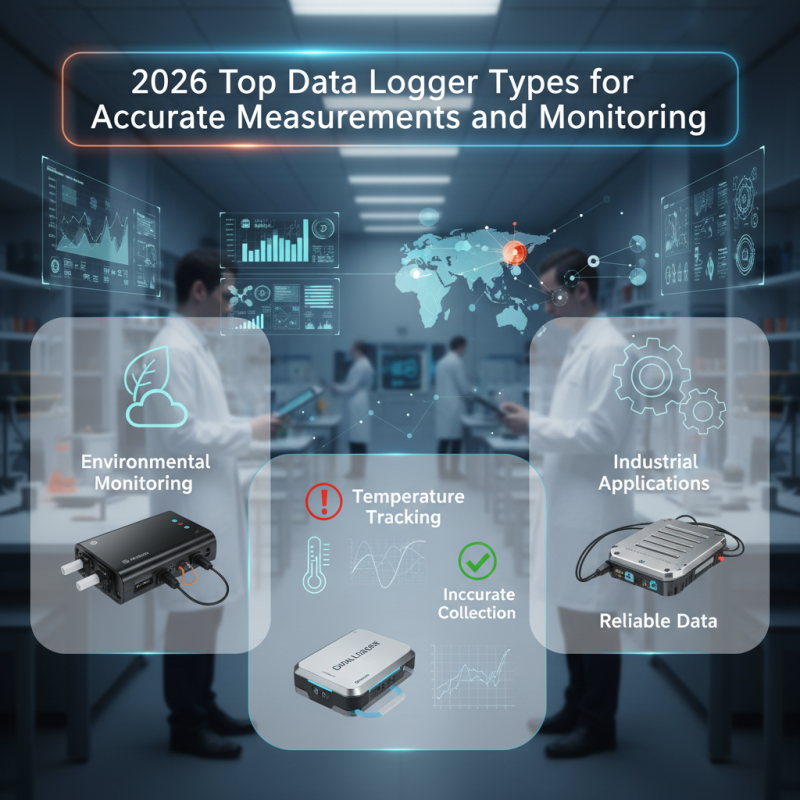
Data loggers facilitate the collection of critical data over time. They are widely used in environmental monitoring, temperature tracking, and industrial applications. The rise in IoT devices further enhances their importance. Organizations often face challenges in choosing the right data logger for their specific needs. The variety of models can be overwhelming, leading to potential misapplications.
Implementing the wrong type of data logger can lead to inaccurate data collection. This not only hampers efficiency but can also result in costly errors. Reflecting on industry reports, it's clear that informed decisions in selecting data loggers are crucial. Understanding the features and capabilities of different types ensures better performance and data reliability. Inaccuracies linger when the appropriate solutions are not utilized.
Types of Data Loggers for Accurate Environmental Monitoring
Environmental monitoring has become crucial in various sectors, from agriculture to industrial processes. Data loggers play a pivotal role. They collect and store environmental data over time. This continuous monitoring aids in decision-making and compliance. Industry studies reveal that nearly 70% of organizations use data loggers for real-time analysis.
Different types of data loggers cater to specific needs. Temperature and humidity loggers are common in food safety. They ensure storage conditions meet safety standards. Water quality loggers monitor parameters such as pH and turbidity. Yet, not all loggers are foolproof. Calibration issues can lead to inaccuracies, and maintenance might be overlooked, creating gaps in data.
Wireless data loggers have gained popularity for their ease of use. They allow remote monitoring and reduce manual data entry errors. However, they also pose cybersecurity risks. As valuable data can attract unwanted attention, organizations must remain vigilant. Continuous improvement and adaptation are essential. Regularly assessing the effectiveness of data loggers can lead to better outcomes.
Essential Features of Data Loggers for Reliable Measurements
Data loggers are essential tools for accurate measurements and monitoring in various fields. They collect data over time, which can be crucial for research, quality control, and environmental monitoring. Essential features define their reliability. A high sampling rate is vital for precision. It allows users to capture rapid changes. Many loggers also offer multiple input options. This versatility helps in measuring different parameters like temperature, humidity, and voltage.
Battery life often affects productivity. Loggers that consume less power can monitor environments for extended periods. Data storage capacity is another key aspect. Having an ample space to store data prevents interruptions during measurement periods. Real-time monitoring capabilities allow users to receive immediate notifications. This feature is beneficial for preventing potential issues before they escalate.
However, not all loggers are user-friendly. Some devices may have complex interfaces, making them challenging to operate. Calibration requirements can also be cumbersome, demanding time and attention. Regular checks are necessary to ensure accurate readings. Users need to reflect on the chosen model to fit their needs. An ideal data logger balances ease of use with precision. Careful consideration enhances the quality of measurements and monitoring.
2026 Data Logger Performance Comparison
This chart compares the measurement accuracy of different types of data loggers in 2026. The accuracy is displayed as a percentage, highlighting which types of measurements are more reliable.
Applications of Data Loggers in Various Industries
Data loggers play a crucial role in various industries. They monitor environmental conditions with precision. In agriculture, monitoring soil moisture and temperature is essential. Data loggers help farmers make informed decisions. They ensure optimal crop growth by alerting to any significant changes. However, reliance on technology can sometimes lead to missed observations.
In the food industry, data loggers help maintain quality control. They track temperature and humidity during storage and transportation. This prevents spoilage and ensures food safety. Yet, not all facilities use them effectively. Some overlook the importance of regular calibration. This can lead to inaccurate data and poor decisions.
Healthcare also benefits from data loggers. They monitor patient conditions and manage equipment. For example, they ensure the right temperature for vaccines. But there are challenges. Data can be overwhelming without proper analysis. Staff may struggle to interpret the information, risking patient care. Exploring these imperfections allows for continuous improvement in employing data loggers across sectors.
Key Factors to Consider When Choosing a Data Logger
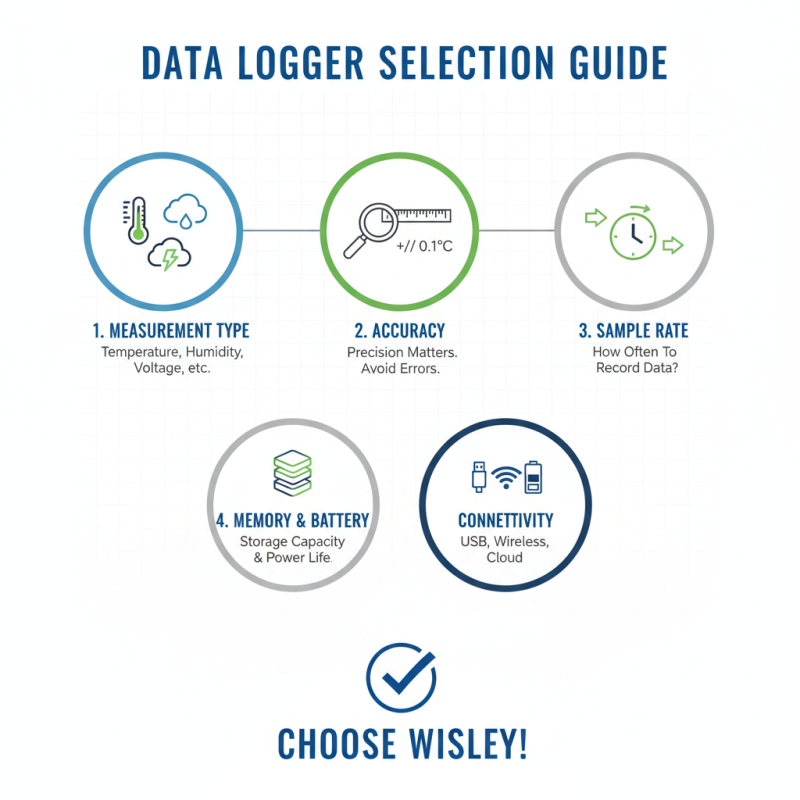
When selecting a data logger, various factors come into play. Consider the measurement type you need. Different loggers capture temperature, humidity, or voltage. Accuracy is essential. A small error can lead to significant issues later. Investigate the precision specifications of each model.
Think about the data storage options. Some loggers save data internally, while others use external media. Choose based on how frequently you need access to your data. Remember, you don’t want to wait days for insights. Connectivity features also matter. Wireless options make remote monitoring easier.
Tips: Always check battery life. A short battery can disrupt data collection. Look for a logger that offers alerts. Timely notifications can save you from data loss. Take time to compare several models. Make a choice based on your specific needs. The perfect logger should fit your requirements perfectly, but it might take effort to find it.
Future Trends in Data Logger Technology and Innovation
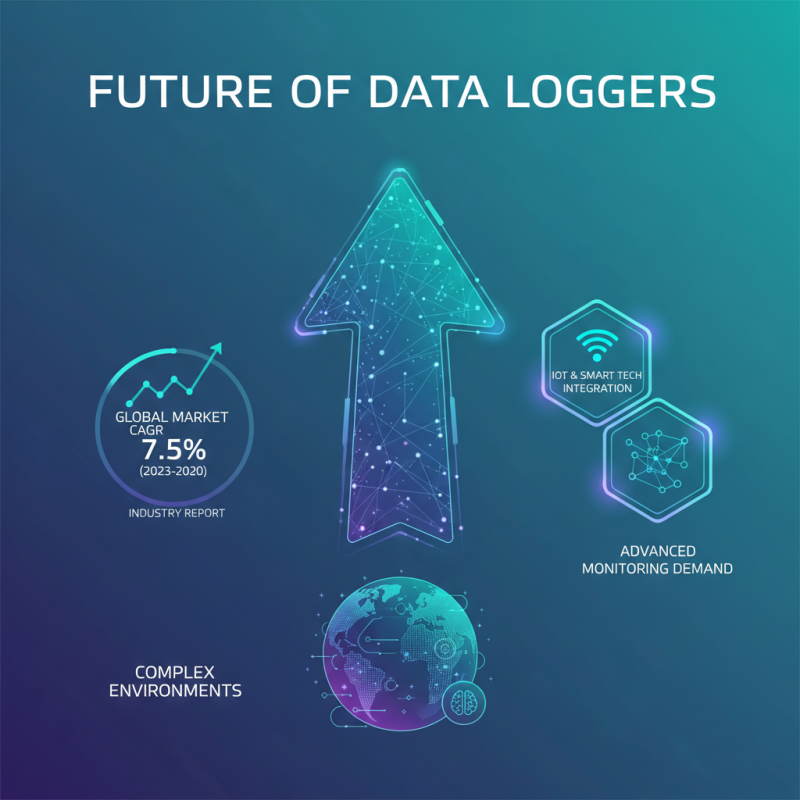
The future of data logger technology is poised for significant evolution. According to a recent industry report, the global data logger market is expected to grow at a CAGR of 7.5% from 2023 to 2030. This increase is fueled by advancements in IoT and smart technology integration. As environments become more complex, the demand for precise monitoring is rising.
Innovations such as wireless connectivity and cloud-based storage will enhance data accessibility. Real-time monitoring systems can further streamline operations in various sectors. A study highlighted that over 50% of industries are adopting wireless data loggers for better efficiency. Yet, challenges remain. Not all users are equipped to leverage these advancements fully. Skills gaps and training needs are apparent.
Furthermore, while automation is on the rise, the human element cannot be ignored. Critical thinking is still essential for interpreting data. Reports indicate that some users struggle with data overload. This points to the need for improved user interfaces that simplify complex information. Thus, as technology advances, ongoing education and system improvements are crucial for maximizing benefits.