Top Tips for Choosing Waterjet Cutting Machinery?
When selecting waterjet cutting machinery, industry experts emphasize the importance of informed decisions. John Smith, a leading engineer in the field, once stated, "Choosing the right machinery is crucial for efficiency and precision." This wisdom highlights the need for careful consideration.
waterjet cutting machinery comes in various types, each with unique features. Factors like material compatibility, cutting speed, and maintenance requirements play a significant role. Buyers often overlook these aspects, which can result in costly mistakes. For example, selecting a machine that is not suited for specific materials can lead to subpar results.
Additionally, budget constraints can cloud judgment. It's tempting to choose the cheapest option, but that often compromises quality. A balance between cost and performance is key. Investing in reliable machines can enhance productivity and save money over time. Reflecting on these details can ultimately lead to better outcomes in any cutting project.
Understanding Waterjet Cutting Machinery: An Overview
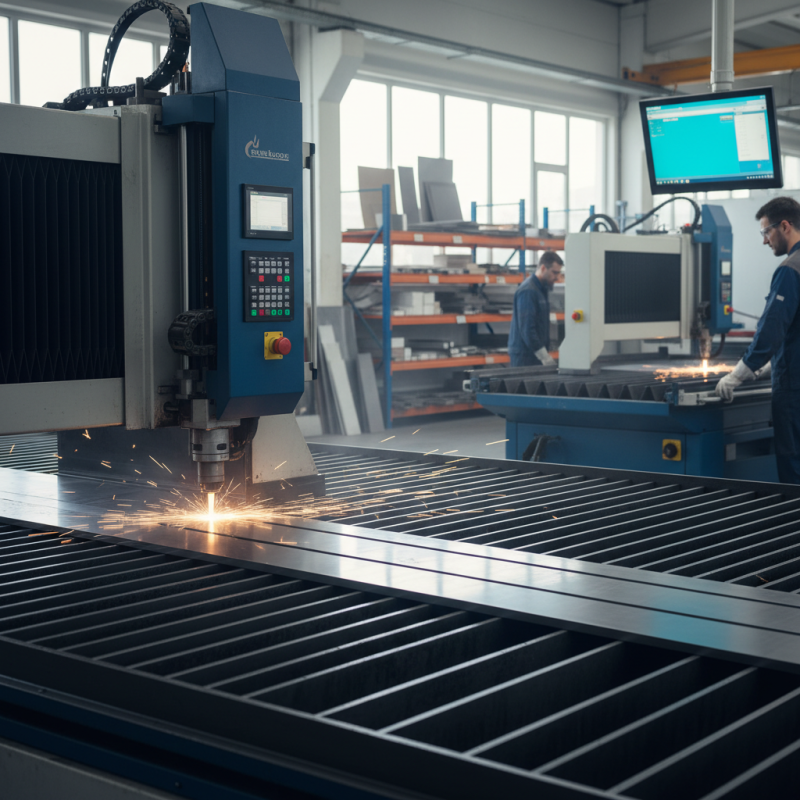
Waterjet cutting machinery offers a unique approach to precision cutting. This technology uses high-pressure water mixed with abrasive material. It's capable of cutting through various materials like metal, glass, and stone. The versatility of waterjet cutting makes it a popular choice in many industries. However, understanding how to choose the right machine can be daunting.
When selecting waterjet cutting machinery, it’s essential to consider several factors. The type of materials you plan to cut is crucial. Different materials may require specific nozzle sizes or pressures. Additionally, the machine's cutting speed can impact efficiency. Are you focused on precision or speed? Each application may require a different balance.
Budget limitations often play a significant role in the decision. Sometimes high costs may lead to compromising on features. Reflecting on the long-term value of the equipment is key. A more expensive machine might save money in the long run by reducing downtime and maintenance. Ultimately, the right choice depends on balancing your needs with available resources.
Key Features to Consider in Waterjet Cutting Equipment
Choosing the right waterjet cutting machinery requires careful consideration of key features. One vital aspect is the cutting head design. A well-engineered cutting head enhances precision and reduces wear. Look for one that minimizes the kerf width. This can lead to cleaner cuts and less material waste.
Another important feature is the pump pressure. Higher pressure often equals faster cutting speeds. However, this can also increase wear and tear on components. Balance is essential here. Ensure the pump efficiency matches your production needs. Ensure it doesn’t compromise part quality.
Additional aspects include software capabilities and user interface. Intuitive software can streamline the cutting process. Consider those that offer design integration features. Make sure the machinery is easy to operate. Training may be an issue if the system is too complex. Finally, don’t overlook maintenance needs. A machine requiring frequent repairs isn’t ideal. Reflect on your choices and their long-term implications.
Evaluating Material Compatibility with Waterjet Technology
When selecting waterjet cutting machinery, it's essential to assess material compatibility. Waterjet technology excels at cutting various materials, including metals, composites, and ceramics. According to a report by the Fabricators and Manufacturers Association, over 60% of manufacturers use waterjet cutting for aerospace components. This versatility allows industries to optimize production processes without changing equipment.
Understanding how different materials respond to waterjet cutting is crucial. For instance, softer materials like aluminum cut smoothly while harder materials like titanium require more precise settings. A study from the International Journal of Advanced Manufacturing Technology highlighted that achieving the right pressure for different materials significantly impacts the cut's quality and edge finish. Many users find it challenging to dial in these settings, often resulting in rough edges or excessive kerf.
Moreover, some materials can lead to complex issues. For example, composites may delaminate if not cut correctly. Engineers often face a trial-and-error process to find the right parameters. This experimentation can be time-consuming and costly, but it is necessary to achieve optimal results. Understanding material thickness and tensile strength will guide users in avoiding these common pitfalls.
Comparative Analysis of Waterjet vs. Other Cutting Methods
When it comes to cutting materials, waterjet technology stands out. It utilizes high-pressure water mixed with abrasive particles to create precise cuts. Unlike traditional methods, such as laser or plasma cutting, waterjets can work with a wider variety of materials. Metals, glass, stone, and composites—waterjets handle them all. This versatility opens up opportunities across industries.
However, there are downsides to consider. Waterjet systems may require extensive maintenance due to the complexities of their mechanisms. Also, they can consume more water than expected, leading to environmental concerns. The initial investment in waterjet machinery is often higher compared to other cutting methods. This can deter businesses from making the switch, even if waterjets provide cleaner edges and less heat distortion.
It's vital to weigh these factors carefully. The choice between waterjet cutting and alternatives like laser cutting depends on your specific needs. Evaluate the materials you'll work with and the final product's requirements. Waterjets excel in precision but can have hidden costs. Balancing efficiency, cost, and output quality requires thoughtful analysis. Make a list of priorities before deciding on a cutting method.
Top Tips for Choosing Waterjet Cutting Machinery
| Cutting Method | Material Compatibility | Cut Quality | Thickness Capability | Production Speed | Operating Costs |
| Waterjet Cutting | Metals, Ceramics, Glass, Composites, Stone | Excellent, no heat-affected zone | Up to 12 inches | Moderate | Medium |
| Laser Cutting | Metals, Plastics, Wood | High, but can warp metals | Up to 1 inch | High | Variable, but often higher than waterjet |
| Plasma Cutting | Metals, especially conductive materials | Good, larger kerf | Up to 8 inches | Very High | Low for metals, but requires consumables |
| Oxy-Fuel Cutting | Steel and other ferrous materials | Fair, may produce slag | Up to 24 inches | Medium | Low, but slower for thinner materials |
Budgeting: Costs Associated with Waterjet Cutting Machinery
When budgeting for waterjet cutting machinery, it's crucial to consider the various costs involved. The initial investment can range significantly depending on the machine’s specifications. A mid-range system may cost between $100,000 and $300,000. This price often reflects the complexity of the technology and its capabilities.
Operational costs also play a key role. Water for cutting might seem inexpensive, but usage can add up. Estimates suggest that water costs can reach $0.50 to $2.00 per hour of operation. Additionally, maintenance and consumables like abrasive garnet further increase overall expenses. Spare parts might also need budgeting, as they can be essential for maintaining productivity.
Tip: Assess your production needs carefully. A smaller machine may suffice for light tasks. However, investing in a high-performance model could reduce long-term operational costs.
Don't forget about potential training costs. Operating sophisticated waterjet machinery can require specialized training. The average cost for operator training varies greatly but can range from $1,500 to $5,000 per operator.
Being aware of these factors allows for a more accurate budget. Reflect on your specific needs. Balancing quality, capability, and cost is essential for smart investment in waterjet technology.
