What is a Temperature Data Logger and How Does it Work?
In today's temperature-sensitive industries, understanding a temperature data logger is crucial. Experts in the field have noticed the growing importance of accurate temperature monitoring. Dr. Samantha Reed, a well-known industry specialist, once stated, “Temperature data loggers are pivotal in maintaining product integrity during transport and storage.”
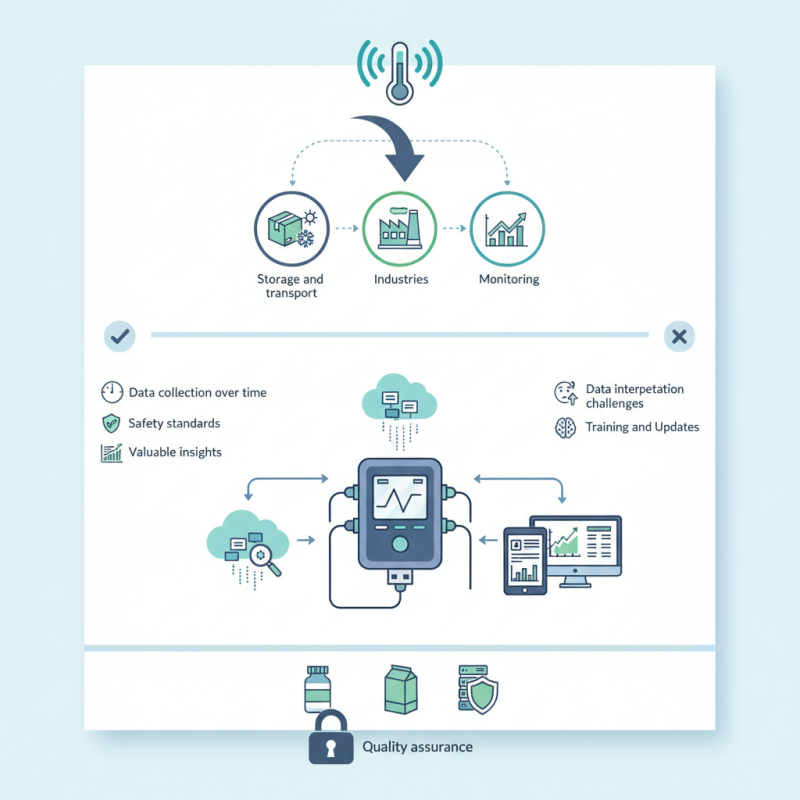
Temperature data loggers serve as essential tools in various sectors. They monitor temperature fluctuations and ensure compliance with safety standards. These devices collect data over time, providing valuable insights. Many businesses rely on this information to avoid costly losses. In the pharmaceutical industry, for instance, improper temperature management could lead to spoilage of sensitive products. This concern makes temperature data loggers indispensable for quality assurance.
However, there are challenges in effectively using these devices. Some users face difficulties in data interpretation. This can lead to missed insights or inadequate responses to temperature anomalies. Regular training and updates are necessary for teams. In the evolving landscape of temperature monitoring, understanding the capabilities and limitations of temperature data loggers is vital for success.
What is a Temperature Data Logger and its Main Functions?
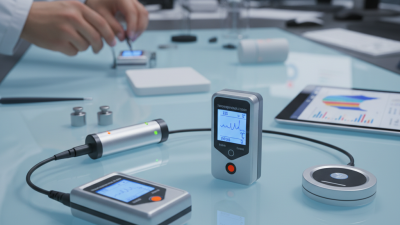
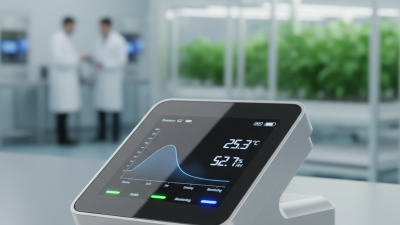
A temperature data logger is a crucial tool for monitoring temperature changes over time. It records data at regular intervals, enabling precise tracking of temperature fluctuations. This device is essential in various fields, including agriculture, food storage, and pharmaceuticals. By keeping a detailed log, it helps ensure compliance with safety standards.
The main functions of a temperature data logger include data collection and storage. It captures real-time temperature data through sensors. These sensors can be built-in or externally connected. Users can set parameters for recording, like intervals and duration. Monitoring environments is vital for quality control. A faulty logger could lead to significant losses or safety issues.
However, there are challenges. Not all data loggers are user-friendly. Some require technical knowledge to operate effectively. Users may overlook calibration needs, impacting data accuracy. Regular maintenance is crucial but often ignored. A well-functioning data logger is an investment in safety and reliability. Each log tells a story of what may have gone wrong.
Temperature Data Logger Readings Over a Week
This chart displays the temperature readings recorded by a data logger over a week. It shows how the temperature fluctuated daily, offering insights into trends and variations.
Key Components of Temperature Data Loggers Explained
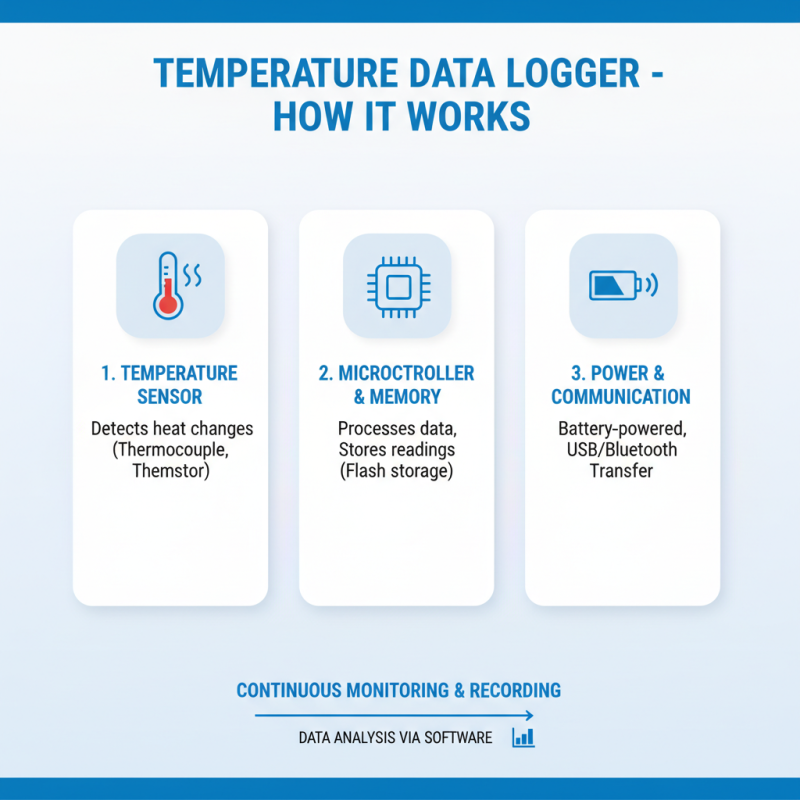
Temperature data loggers are essential devices used to monitor and record temperature over time. A typical logger includes several key components that enable it to function effectively. At the core, there is a temperature sensor that detects the temperature changes in the environment. This sensor can be based on thermocouples, thermistors, or other technologies.
Another crucial component is the data storage unit. This can be built-in memory or external storage, depending on the model. The storage unit collects the data from the sensor at regular intervals. Each log captures temperature readings, ensuring accurate records. A display screen is often included to provide real-time data at a glance. However, not all loggers have displays, which might complicate quick checks.
Additionally, connectivity options are vital. Many loggers use USB, Bluetooth, or wireless technology to transfer data. This feature allows users to analyze data easily on computers or mobile devices. Sometimes, connectivity issues can arise, leading to incomplete datasets. When using temperature data loggers, it's essential to consider battery life as well. A drained battery can mean missing crucial temperature readings.
How Temperature Data Loggers Capture and Store Data
Temperature data loggers are essential tools for monitoring environmental conditions. They capture temperature at regular intervals. This precise data collection helps in various fields, from food storage to laboratory testing.
These devices use sensors to measure temperature changes. When the sensor detects a shift, it records the data in its memory. Some loggers can store thousands of readings. This capability allows for comprehensive tracking over time. The data can be accessed later, either through software or direct connection. Users benefit from having a detailed temperature history, which aids in decision-making.
However, some challenges arise in using these loggers. Users may forget to check battery levels or may not calibrate devices correctly. This oversight could lead to inaccurate readings. Regular checks and maintenance are necessary for reliability. It's a reminder that technology is not infallible. Proper handling ensures that data logging remains effective and trustworthy.
Applications of Temperature Data Loggers in Various Industries
Temperature data loggers play an essential role in various industries. These devices monitor and record temperature changes over time. They are particularly useful in the food industry, healthcare, and logistics. According to a report by MarketsandMarkets, the global temperature data logger market is projected to reach $3.5 billion by 2025, indicating a growing demand.
In the food industry, temperature loggers ensure food safety. They track conditions during transportation and storage. A sudden temperature change could compromise food quality. The FDA states that food must be kept at safe temperatures to prevent contamination. In healthcare, temperature loggers maintain proper conditions for pharmaceuticals. Certain medications require strict temperature control.
Tips: Always calibrate your data logger before use. This ensures accurate readings. Check the battery life regularly. A dead battery can result in lost data.
In logistics, temperature tracking is critical for sensitive cargo. A report noted that temperature excursions can lead to significant losses—up to $1 million per shipment. Industries must be vigilant about maintaining temperature standards. Despite advancements, challenges remain in real-time monitoring. Many businesses still face gaps in data accuracy and reliability.
What is a Temperature Data Logger and How Does it Work? - Applications of Temperature Data Loggers in Various Industries
| Application Area |
Temperature Range (°C) |
Measurement Accuracy |
Data Storage Capacity |
Wireless Connectivity |
| Food & Beverage |
-40 to +85 |
±0.5 |
10,000 readings |
Yes |
| Pharmaceuticals |
-20 to +60 |
±0.3 |
8,000 readings |
Yes |
| Cold Chain |
-25 to +70 |
±0.5 |
15,000 readings |
Yes |
| HVAC Systems |
-10 to +50 |
±0.5 |
5,000 readings |
Yes |
| Industrial Applications |
-50 to +100 |
±1.0 |
20,000 readings |
No |
Choosing the Right Temperature Data Logger for Your Needs
Choosing the right temperature data logger can be a daunting task. There are many options available. Each logger has unique features. Understanding your specific needs is essential. Are you monitoring food storage or transportation? This question shapes your choice. For short-term projects, a simple logger may suffice. Long-term monitoring requires a more advanced device.
Consider the temperature range you need. Some loggers function well in extreme conditions. Others are limited to moderate climates. Battery life also matters. A logger with a short battery may not serve extended uses. Make sure it meets your operational demands. Connectivity options vary, too. Some loggers sync via USB, while others use Bluetooth. Think about how you'll access your data.
Reflect on your budget. Higher-priced loggers often include advanced features. However, an expensive choice isn't always the best. Sometimes, a basic model suffices, especially for occasional use.
Take time to compare features and prices. Do not rush this decision. A poor choice can lead to unreliable data. Consider all factors carefully before making your purchase.