Skin Type Diagnosis Tips for Global Buyers at Canton Fair 2026
The 2026 Canton Fair will showcase a significant focus on skincare and cosmetics, making it essential for buyers to understand "Skin Type Diagnosis." Dr. Emily Chen, a renowned dermatologist, states, "Understanding your skin type is crucial for effective product selection." This statement reflects the importance of personalized skincare in today’s market.
At the Fair, buyers can access advanced AI tools to streamline their search for specific products catering to diverse skin types. Recognizing the varied skin conditions across different demographics is vital for success. Many buyers may overlook the nuances of skin diagnosis, leading to potential mismatches in product offerings.
The event presents a unique opportunity to learn and adapt. Visitors can engage with experts, discover innovative products, and gain insights into accurate skin assessments. However, it's crucial to remember that not all products suit every skin type. This fair may reveal gaps in knowledge about effective skin diagnosis. Embrace the journey of understanding skin types; it could redefine your purchasing decisions.
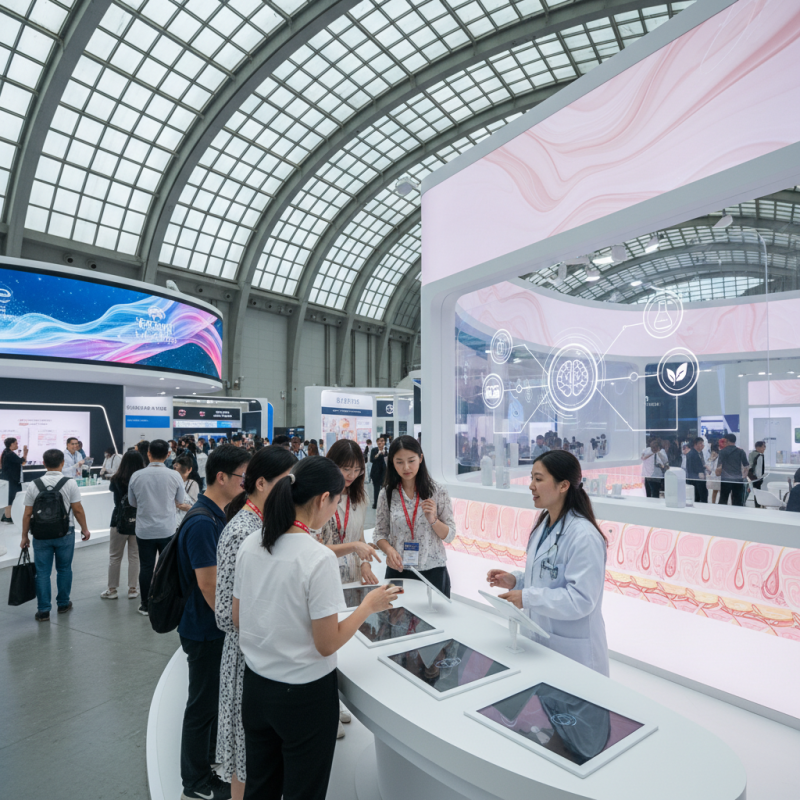
Understanding Different Skin Types for Importers and Buyers
Identifying different skin types can be challenging yet crucial for importers at the Canton Fair 2026. Many buyers overlook this aspect. Understanding the nuances of skin types helps them select appropriate products. It can also enhance customer satisfaction back home.
There are four main skin types: oily, dry, combination, and sensitive. Oily skin tends to shine and may have enlarged pores. Buyers should check for lightweight formulations that absorb excess oil.
Dry skin appears flaky or tight. Products enriched with moisture can be appealing.
Combination skin exhibits traits of both oily and dry areas. It needs balanced care. Sensitive skin reacts easily to products. Soothing ingredients are essential here.
Despite having knowledge, not all buyers recognize skin type variations in different markets. Misjudgments may lead to unsuitable products. Awareness of local climates and lifestyle factors is vital. For instance, humid climates can worsen oily skin. Reflecting on these aspects can improve decision-making. Understanding the local demographics and consumer preferences remains a continuous process.
Key Diagnostic Tools for Identifying Skin Types at Trade Fairs
Identifying skin types can be challenging, especially at bustling trade fairs like the Canton Fair 2026. Various factors come into play. Humidity, temperature, and even stress can affect skin. Buyers need to consider these elements while using diagnostic tools.
One effective tool is the skin analyzer. It measures moisture levels and oiliness, providing instant feedback. Another useful tool is the pH meter, which can determine acidity levels. Both help in understanding skin's unique characteristics. However, these tools may not always deliver consistent results. Environmental conditions can impact readings.
Buyers should also use visual assessments. Observing skin texture and appearance can yield insights. Look for signs of dryness or oiliness. This can be subjective, though. Sometimes, what seems dry may actually be a result of the climate. Reflecting on these points is vital for accurate diagnostics. Engaging in discussions with other buyers can also spark new ideas. The diversity of skin types makes this process even more fascinating.
Tips for Effective Communication with Skincare Suppliers
At the Canton Fair 2026, effective communication with skincare suppliers is essential. As global buyers, understanding skin types is crucial. With over 50% of consumers prioritizing skincare products tailored to their unique skin needs, suppliers often seek buyers with knowledge of diverse skin types. A 2023 research report shows that 68% of skincare sales are influenced by personalized recommendations.
Tips for Effective Communication:
1. Be specific about your needs. Describe skin types clearly. Are you focusing on oily, dry, or sensitive skin? This clarity helps suppliers guide you effectively.
2. Ask about ingredients. The market shows that 72% of consumers prefer organic ingredients. Discussing formulations aids in understanding the target market better.
3. Share market insights. If you know consumers prefer vegan options, communicate that. Suppliers appreciate buyers who engage in discussions about trends.
It’s also important to acknowledge your knowledge gaps. Many buyers claim to understand skin types, yet struggle with specific ingredients and their effects. This can lead to decisions that overlook consumer needs. Be open to learning from suppliers; they can offer invaluable knowledge.
In today’s market, misconceptions can lead to mismatched products. A recent survey showed that 45% of consumers feel confused by skincare labels. Simplifying communication with suppliers may bridge this gap and improve buyer-supplier relationships. The more you engage, the better the results for both parties.
Strategies for Selecting Products Based on Skin Type Diagnosis
Navigating the Canton Fair 2026 requires a nuanced approach to skin type diagnosis. Understanding skin types can unlock a well of potential in product selection. According to a recent market study, 48% of consumers express a desire for products tailored to their skin's specific needs. This indicates a growing market for personalized skincare solutions.
For global buyers, evaluating a product’s ingredients against skin types is crucial. Oily, dry, or sensitive skin requires different formulations. A report by the International Journal of Cosmetic Science found that 30% of consumers experience adverse reactions from improper product matches. This highlights the importance of thorough skin type analysis before purchase.
While renowned ingredients are often promoted, not all work for everyone. For instance, formulations rich in essential oils may cause breakouts for some but be soothing for others. This disparity emphasizes the need for reflection and careful consideration. Each buyer must assess their unique skin needs. The current trend in personalized skincare is evolving, and buyers can benefit significantly from understanding these dynamics.
Skin Type Diagnosis Tips for Global Buyers at Canton Fair 2026
| Skin Type | Common Characteristics | Recommended Products | Tips for Buyers |
| Oily | Shiny appearance, enlarged pores, prone to acne | Oil-free moisturizers, gel-based cleansers | Look for non-comedogenic labels. |
| Dry | Dull, rough texture, tight feeling, flaky patches | Rich creams, hydrating serums | Choose products with added oils or humectants. |
| Combination | Oily in T-zone, dry on cheeks | Balancing lotions, lightweight moisturizers | Opt for products that are specifically labeled for combination skin. |
| Sensitive | Easily irritated, redness, burning sensation | Fragrance-free products, soothing gels | Seek out hypoallergenic and dermatologist-tested items. |
| Normal | Balanced, not too oily or dry, smooth texture | Lightweight moisturizers, gentle cleansers | Focus on maintaining balance with gentle products. |
Adapting Skin Care Trends for Diverse Global Markets at Canton Fair
As the Canton Fair approaches in 2026, understanding diverse skin care trends is crucial for global buyers. Consumers worldwide have unique skin types and needs. Some markets favor hydrating products, while others seek anti-aging solutions. Not all products are universally effective. Buyers must focus on local preferences and cultural nuances when selecting skincare items.
Market research reveals that preferences vary widely. In Asia, consumers often prefer lightweight textures. Meanwhile, in Europe, richer creams dominate. Buyers should anticipate these trends and adapt their offerings accordingly. Engaging with local experts can provide invaluable insights. It's essential to recognize that skin types fluctuate with climate changes and individual lifestyles.
Sustainability is a growing concern for many consumers. Eco-friendly packaging and natural ingredients are in high demand. However, sourcing such materials can be challenging. Balancing quality and sustainability requires thoughtful planning. Collaborative discussions with suppliers can spark innovative solutions. Embracing local feedback is vital for successful product introductions at the fair.
Skin Type Distribution Among Global Buyers at Canton Fair 2026
