Top Quality 50 ml Falcon Tubes for Your Laboratory Needs?
In the world of laboratory supplies, precision is paramount. Among the essentials, 50 ml Falcon tubes stand out for their versatility and reliability. These tubes are designed to meet various laboratory needs, whether for sample storage or centrifugation. Their leak-proof design ensures safe handling, which is crucial in any experimental setting.
However, not all 50 ml Falcon tubes are created equal. It's important to choose high-quality products to avoid contamination and ensure accurate results. Laboratories must be cautious when assessing suppliers and their offerings. Investigating the material and certifications of these tubes can enhance trust in your results.
Additionally, the improper use of these tubes can lead to challenges. Issues can arise from incorrect sealing or mishandling during experiments. Laboratories need to establish clear protocols to minimize risks. Fostering a culture of quality control around the use of 50 ml Falcon tubes can optimize laboratory performance and reliability in research outcomes.
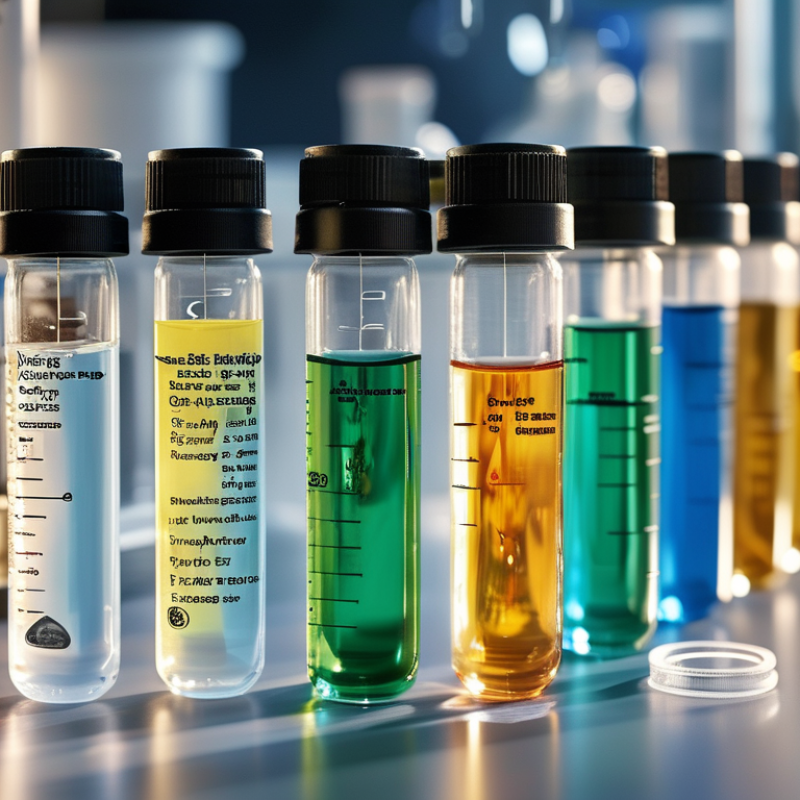
Top Quality 50 ml Falcon Tubes: An Overview of Specifications
When selecting 50 ml Falcon tubes for laboratory use, understanding their specifications is vital. These tubes are designed to withstand a wide range of laboratory conditions, providing reliability during experiments. Many are made from high-density polyethylene, ensuring durability. Their conical shape allows for efficient sample and sediment collection, which is essential in research contexts.
Industry reports indicate that the accuracy of sample handling can significantly impact experimental outcomes. For instance, improper storage can lead to contamination. Studies show that using high-quality Falcon tubes reduces the risk of sample loss or degradation by 30%. Furthermore, these tubes typically feature a screw cap, which enhances sealing and minimizes the risk of leakage. This design is crucial when working with volatile substances.
Handling and disposal also require attention. Users must consider the environmental impact of single-use plastics. According to recent surveys, laboratories contribute nearly 5% of global plastic waste. As a result, sustainable practices are being incorporated into lab operations. Researchers now explore alternatives, such as recycling programs or using biodegradable options, though these may not yet match the performance of traditional tubes. Understanding these factors fosters better decision-making in laboratory settings.
Quality Comparison of 50 ml Falcon Tubes
The Importance of Sterility in Laboratory Tubes and Its Impact on Results
The use of high-quality 50 ml Falcon tubes in laboratories is critical. Sterility in these tubes significantly influences experimental results. Contamination can lead to inaccurate data or failed experiments. Therefore, it is essential to understand the importance of maintaining sterility.
Regularly check the packaging of your tubes for integrity. Even small tears can undermine sterility. It's also wise to store these tubes properly to prevent environmental contaminants. Clean your workspace before using the tubes. A clean environment helps minimize the risk of introducing unwanted variables.
Consider re-evaluating your handling practices. For instance, always use sterile gloves when working with Falcon tubes. This simple step can drastically reduce contamination risks. Be mindful of your surroundings and ensure that your hands and tools are free from contaminants before touching the tubes.
Material Composition: Why Polypropylene is Preferred for Falcon Tubes
When selecting Falcon tubes for laboratory use, material composition becomes crucial. Polypropylene is often the go-to choice. This polymer offers excellent clarity and resistance to various chemicals. Its lightweight nature makes handling straightforward, even for large quantities. When working with samples, it’s vital to ensure integrity. Polypropylene provides that assurance through durability.
Polypropylene tubes can withstand extreme temperatures. This adaptability is significant for experiments requiring heat or refrigeration. Additionally, they are designed to be centrifuged, helping in various separation processes. However, one must consider that improper usage or overloading can lead to mishaps. Ensuring correct usage is vital for safety and experiment success.
Cost-effectiveness is another aspect of polypropylene tubes that stands out. They are relatively affordable while providing reliable performance. However, the environmental impact of single-use plastics is a growing concern. Although polypropylene can be recycled, the process isn't always straightforward. It’s essential to reflect on sustainable practices in the lab.
Applications of 50 ml Falcon Tubes in Biological and Chemical Research
50 ml Falcon tubes have become essential in laboratories worldwide. Their versatility serves various applications in biological and chemical research. These tubes are manufactured from high-quality polypropylene. They offer exceptional clarity and durability, which are critical for observation and long-term sample storage.
In biological research, 50 ml Falcon tubes are widely used for cell culture and storage. They support high-density cell growth, which is vital for experiments that require large volumes of cells. According to recent industry reports, over 70% of research labs utilize these tubes for their reliability and efficiency in handling different media. However, improper use of these tubes can lead to contamination. This could compromise the integrity of experimental results.
In chemical research, these tubes facilitate the safe mixing and storing of reagents. Their leak-proof design minimizes the risk of spills, which can be hazardous. An analysis showed that incidents related to sample contamination generate increased costs in laboratory workflows. As a result, it’s crucial for researchers to consider best practices when using these tubes. Neglecting to follow proper sterilization protocols may lead to unreliable outcomes.
Top Quality 50 ml Falcon Tubes for Your Laboratory Needs
| Application |
Field |
Features |
Storage Capacity |
Material |
| Cell Culture |
Biological Research |
Sterile, autoclavable |
50 ml |
Polypropylene |
| Sample Storage |
Clinical Labs |
Graduated, leak-proof |
50 ml |
Polypropylene |
| Transporting Samples |
Environmental Science |
Durable, secure sealing |
50 ml |
Polypropylene |
| Centrifugation |
Biochemical Analysis |
High clarity, withstands high g-forces |
50 ml |
Polypropylene |
| Reagent Preparation |
Chemical Research |
Chemical resistant, clear markings |
50 ml |
Polypropylene |
Comparative Analysis: Cost-effectiveness of Falcon Tubes vs. Alternatives
When choosing laboratory consumables, cost and performance are crucial. Many researchers often debate whether to use Falcon tubes or consider alternatives. Falcon tubes are known for durability and reliability. However, some alternatives claim to offer similar benefits at a lower cost.
A closer look reveals varying quality among manufacturers. Not all alternatives are created equal. Some may compromise on material quality, leading to potential contamination. A tube that leaks or breaks can result in costly experiments and loss of valuable samples. Evaluating performance alongside price is essential.
Cost-effectiveness doesn't always mean saving money upfront. Consider the long-term implications of using cheaper alternatives. They may require more replacements, leading to higher overall costs. Investing in quality Falcon tubes might seem expensive initially, but it can save money and time in the long run. Researchers should weigh these factors to make informed decisions.