2026 How to Use BD Vacutainer Tubes Effectively for Blood Collection?
In the field of blood collection, the use of BD Vacutainer tubes is crucial for accuracy. Dr. Sarah Thompson, a leading expert in hematology, once stated, “Using the right tube is essential for reliable test results.” This highlights the importance of selecting appropriate BD Vacutainer tubes for various tests.
When it comes to blood collection, not all tubes serve the same purpose. Each type of BD Vacutainer tube is designed with specific additives and colors, impacting the blood sample's integrity. For instance, choosing a tube lacking the right anticoagulant may lead to erroneous results. It's vital to understand these differences.
Many healthcare workers may overlook tube selection, leading to costly mistakes. An incorrect tube can compromise patient diagnosis and treatment. Training on the effective use of BD Vacutainer tubes can mitigate these issues. Reflection on best practices is essential for continuous improvement in blood collection processes, ensuring better patient outcomes.

Understanding the Types of BD Vacutainer Tubes for Blood Collection
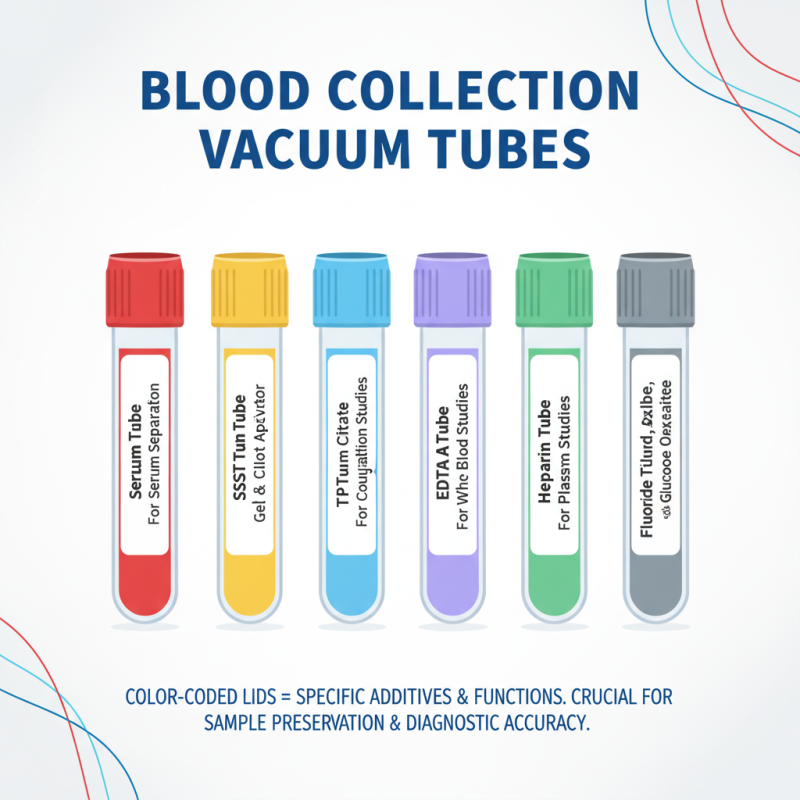
When it comes to blood collection, understanding the types of vacuum tubes is crucial. Each type serves a specific purpose. Color-coded lids indicate their contents and functions. For instance, some tubes contain additives to enhance blood sample preservation. Others may be designed for serum separation.
Using the right tube can improve test accuracy. If a tube is not appropriate, results may be skewed. This can lead to misdiagnosis. For example, using a tube with a clot activator when it’s not needed could alter test outcomes.
However, many overlook these details. It’s easy to grab a tube without checking. This can waste time and resources. Ensuring that you have the appropriate tube can save effort later. Familiarizing yourself with the types and their specific roles should be a priority for professionals. Think about your approach and reevaluate often.
Preparing for Blood Collection: Essential Steps for Using Vacutainer Tubes
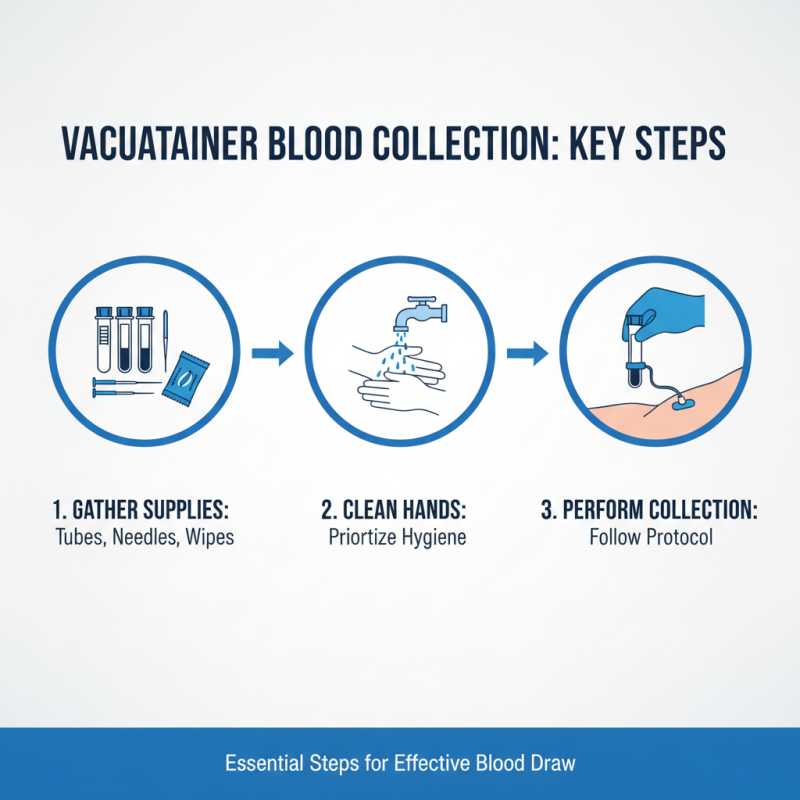
When preparing for blood collection using Vacutainer tubes, it's essential to follow key steps for effectiveness. Begin by gathering all necessary supplies. This includes the tubes, needles, and antiseptic wipes. Ensure your hands are clean before starting. It’s easy to overlook this, but hygiene is crucial.
Choose the correct tube for your specific test. Different tests require different additives. For example, a tube with no additives may be needed for serum tests. Misplacing a tube can lead to inaccuracies. Always double-check your choices before proceeding.
Tips: Always label your tubes clearly. Avoid using a pen that smudges. Use a permanent marker instead. Remember to fill each tube to the designated line to prevent contamination. If you encounter difficulty during the needle insertion, don’t hesitate. Take a moment to proceed carefully to avoid injury.
Reading the instructions on the tubes can seem tedious. However, failing to do so might lead to errors. Reflect on your technique after each collection. This can help identify areas for improvement. Adjustments will lead to better blood collection practices over time.
Proper Techniques for Using BD Vacutainer Tubes During Blood Draw
Effective blood collection relies heavily on proper techniques when using vacutainer tubes. Start by ensuring all equipment is sterile. A clean environment minimizes contamination risks. Studies show that contamination rates can influence test results significantly. According to industry data, nearly 20% of hemolytic events are linked to improper blood handling.
When preparing for a blood draw, label tubes before the venipuncture. This eliminates confusion later. Place the tube in a secure rack. Always use the correct tube type for each test to avoid skewed results. Incorrect tube usage can lead to erroneous lab findings, which may require repeat testing.
**Tip:** Always check expiration dates on tubes. Using expired tubes poses risks.
During the actual draw, maintain a steady hand. A shaky approach can complicate tube insertion and increase patient discomfort. Remember, it’s not just about drawing blood effectively; it’s also about patient experience. Some professionals report that smoothing out interactions with patients leads to a calmer environment, resulting in fewer complications.
**Tip:** Practice good communication. Explain the procedure clearly to patients to ease their anxiety.
Balancing efficiency and patient care is crucial. Always reflect on your technique. Continuous improvement ensures better outcomes for both patients and laboratory results.
Handling and Storage of BD Vacutainer Tubes Post-Collection
After blood collection, the handling and storage of collection tubes are crucial.
Ensure that the tubes are labeled correctly right after collection.
This helps avoid mix-ups.
Store the tubes in a cool, dry place to maintain sample integrity.
Extreme temperatures can affect results. Avoid places with high humidity.
Transporting the tubes also requires care.
Use insulated carriers to protect from temperature fluctuations.
It's vital to keep them upright to prevent mixing of contents.
Monitor the time elapsed since collection. Samples should be processed as soon as possible.
Regularly check for any expired or damaged tubes before use.
This practice can prevent issues and ensure reliability.
Reflecting on these processing steps can improve overall efficiency.
Keeping protocols up to date can help avoid mistakes and lead to better outcomes.
Common Troubleshooting Tips for Blood Collection with Vacutainer Tubes
When using BD Vacutainer tubes for blood collection, it's crucial to address common issues that may arise. A frequently noted problem is tube underfilling, which can affect test results. According to industry reports, improper fill volume can lead to a 10% error in certain assays. It's essential to ensure the vacuum in the tube is intact before use. Check for any visible damage that might compromise its integrity.
Another common issue is hemolysis. This occurs when red blood cells break apart during collection. The Clinical Laboratory Standards Institute cites that hemolysis can alter up to 70% of test results. To minimize this, use a gentle technique when puncturing the vein. Avoid excessive vacuum pressure and swift movements. Furthermore, an improper draw angle might increase the risk of hemolysis. Aim for a smooth collection process to maintain sample quality.
Finally, always label and handle specimens appropriately. Mislabeling leads to errors in patient diagnosis. Reports suggest that 15% of lab errors are due to sample mislabeling. Ensure tubes are correctly identified immediately after collection. Implement protocols to verify identity before and after blood draw. These steps can significantly improve the reliability of test results.
2026 How to Use BD Vacutainer Tubes Effectively for Blood Collection
This chart illustrates the effectiveness of different types of Vacutainer tubes used for blood collection based on their usage frequency and success rate in collecting viable samples.