How to Choose the Right Specimen Bags with Pouch for Your Needs?
Choosing the right specimen bags with pouch is essential for effective specimen handling. These bags protect samples from contamination and ensure their integrity. With various options available, selecting the best one may seem overwhelming.
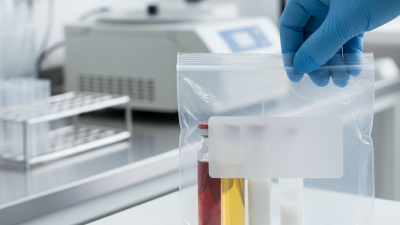
It’s important to consider your specific needs. Not all specimen bags with pouch are created equal. Different materials and features can greatly impact your results. For example, a durable, leak-proof design is crucial for liquid specimens. However, not all bags offer the same level of protection. Reflecting on past experiences can help guide your choice.
Moreover, testing various bags can reveal insights into their performance. Some might fail to meet expectations, which can be frustrating. Learning from previous choices is important. Ultimately, the right specimen bags with pouch can enhance your workflow and maintain sample viability.
Understanding the Different Types of Specimen Bags and Pouches
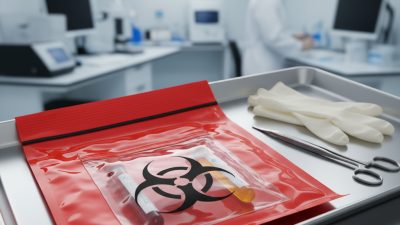
When selecting specimen bags, it’s essential to understand the various types available. Specimen bags often come in different materials, including plastic and biohazard options. Each type serves a specific purpose in specimen collection and transportation. Reports indicate that over 35% of healthcare professionals encounter issues related to specimen contamination due to improper packaging. This highlights the need for proper selection.
Pouch types also vary widely. There are ziplock pouches, adhesive, and even thermal pouches. Ziplock options provide a tight seal, minimizing exposure risks. Adhesive pouches allow for easy labeling and quick access. However, some users find they may not secure specimens adequately. A study by the Journal of Clinical Microbiology notes that 25% of delivered specimens fail due to packaging errors, emphasizing thoughtful choices.
Color coding is an important feature in enhancing specimen organization. This method assists in identifying samples at a glance. Yet, color differences can be subjective, which might lead to mismatched expectations. Understanding these nuances ensures better results. Investing time in mastering the specifics of specimen bags and pouches can significantly improve specimen handling efficiency.
Specimen Bags and Pouches Selection
The bar chart above illustrates the popularity of different types of specimen bags and pouches based on their usage in various settings. Plastic specimen bags are the most commonly used, followed by biohazard bags, indicating a significant demand for safety and contamination prevention in specimen handling.
Identifying Your Specific Needs for Specimen Transportation
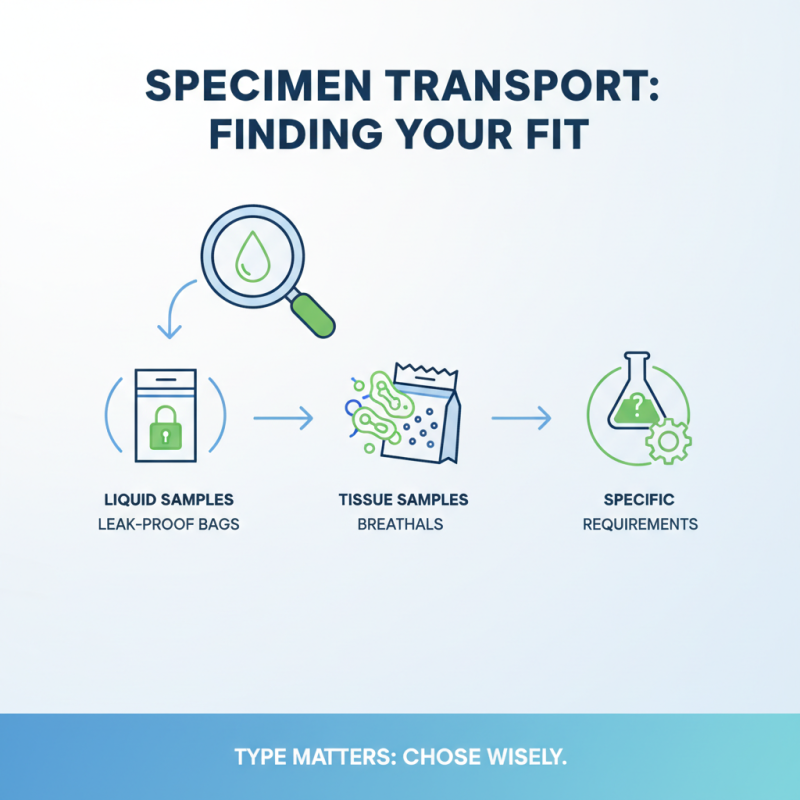
When selecting the right specimen bags with pouches, it's crucial to identify your specific needs for transportation. Consider the type of specimens you handle. For liquid samples, leak-proof options are essential. For tissue specimens, breathable materials might be more appropriate. Each specimen type has its own requirements, impacting how they should be stored and transported.
Next, think about size and capacity. Choosing bags that comfortably fit your specimens can reduce the risk of damage. Smaller bags may be suitable for individual samples, while larger bags are better for bulk specimens. Reflect on your typical workload. Are you handling multiple specimens at once? If so, ensure your chosen bags can manage this volume effectively.
Another important aspect is the climate and environment where the specimens will be transported. Will they be exposed to extreme temperatures? Ensure your bags provide sufficient insulation if needed. Consider the fragility of the items inside. Inadequate packaging can lead to costly errors. Take time to assess how each characteristic aligns with your workflow and needs. This assessment is critical for reliable specimen transportation.
Evaluating Material Options for Durability and Safety
When choosing specimen bags with pouches, material evaluation is crucial. The durability and safety of these bags directly impact specimen integrity. For instance, according to a report by the American National Standards Institute (ANSI), bags made from high-density polyethylene (HDPE) offer excellent tear resistance. This durability is essential for transporting biological samples securely.
Additionally, the safety of materials used should not be overlooked. The Occupational Safety and Health Administration (OSHA) emphasizes the need for materials that minimize contamination risk. Materials like polypropylene are often recommended due to their resistance to a wide range of chemicals and moisture. These properties help maintain the specimen's condition, reducing the chances of degradation during transit.
Another consideration is the thickness of the bags. Thinner bags may seem cost-effective, but they can compromise safety. A study from the National Institutes of Health (NIH) indicates that thicker bags are less prone to punctures. Reflecting on these factors can lead to informed decisions, ensuring both the durability and safety of your specimens.
How to Choose the Right Specimen Bags with Pouch for Your Needs?
| Material |
Durability |
Safety |
Best Use Cases |
| Polyethylene |
Good |
Moderate |
General samples, non-hazardous materials |
| Nylon |
Very Good |
High |
Vacuum storage, hazardous substances |
| Polypropylene |
Excellent |
High |
Long-term storage, biological samples |
| Paper |
Fair |
Low |
Dry samples, archival purposes |
| Glass |
Very Good |
Excellent |
Chemicals, reactive samples |
Assessing Size and Capacity Requirements for Specimen Bags
Choosing the right specimen bags with pouches is crucial for
efficient specimen management.
Size and capacity are essential factors to consider. If a bag is too small, it may not accommodate the specimen properly.
This can lead to contamination or loss of samples. Conversely, a bag that is too large might result in excessive movement,
which can compromise the integrity of the specimen.
When assessing size requirements, think about the type of specimens you handle. For liquid samples, a
sturdy, leak-proof bag is important. Look for bags that fit snugly
around containers. For tissue or solid samples, consider bags with different compartments or pouches.
These features help keep samples organized and separate.
It's also important to reflect on your volume needs. Are you frequently transporting multiple specimens at once?
If so, bulk bags might work well. However, smaller bags may be more suitable
if you typically handle single samples. Evaluate past experiences with specimen transport. Have you faced issues with sizing or capacity?
Learning from these challenges can guide your decision.
Considering Compliance Standards and Regulations for Specimen Handling
When selecting specimen bags with pouches, compliance standards play a crucial role. Regulations from agencies like the CDC and WHO outline stringent guidelines for specimen handling. A study published in the Journal of Clinical Microbiology indicates that improper specimen packaging significantly increases the risk of contamination. This underscores the need for bags that meet regulatory requirements.
Many labs face challenges maintaining compliance. For example, 30% of facilities report confusion regarding transport regulations. This confusion can lead to costly errors and delays. Specimen bags must be durable, leak-proof, and clearly labeled. Additionally, they should provide adequate puncture resistance to protect samples. Using bags that align with international standards can mitigate these risks.
Another key consideration is the environmental impact of specimen handling materials. Data from the Environmental Protection Agency (EPA) highlights that plastic waste from medical supplies contributes to a significant portion of landfill growth. Exploring biodegradable options may reflect a lab’s commitment to sustainability while still adhering to compliance. Balancing regulatory adherence with environmental responsibility is imperative for modern laboratories.