2026 Best Temperature Recording Device for Global Buyers?
As global markets evolve, the demand for reliable temperature recording devices increases. According to the latest report by TechInsights, the temperature recording device market is projected to reach $1.2 billion by 2026. This growth highlights the critical role these devices play in sectors like healthcare, food storage, and industrial processes.
Dr. Emily Larson, an industry expert from ThermoTech Solutions, states, “Accurate temperature monitoring is essential in maintaining product quality and safety.” Her insights underline the importance of selecting a dependable device. With diverse options available, buyers must assess their specific needs to ensure optimal performance.
While innovations abound, challenges remain in the market. Not all devices provide the accuracy needed for sensitive applications. Potential buyers should consider both features and reliability before making a purchase. Understanding these nuances can lead to better choices in the realm of temperature recording devices.
Overview of Temperature Recording Devices Available in 2026
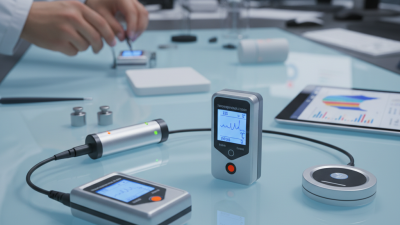
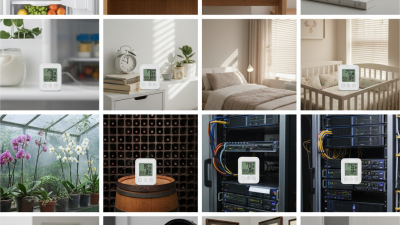
In 2026, temperature recording devices have seen significant advancements. These devices are vital in various industries, including healthcare, agriculture, and food safety. According to a recent industry report, the global market for temperature sensors is expected to reach $3 billion by 2026. This growth is attributed to the increasing demand for accurate temperature monitoring.
Many devices now feature advanced digital sensors. These sensors provide real-time data and connectivity options. A study indicates that nearly 70% of users prefer digital over analog devices for their precision and ease of use. However, not all devices maintain reliability under challenging conditions. Users must evaluate the device's performance in extreme temperatures.
Wireless temperature monitors have gained popularity, especially in supply chain management. They can alert users to temperature fluctuations, which reduces spoilage risks. However, some reports suggest that users often overlook regular maintenance, which is crucial for accuracy. This oversight can lead to inconsistent data, affecting decision-making processes. In a market flooded with choices, informed decision-making is essential for optimal temperature monitoring.
2026 Best Temperature Recording Devices Overview
Key Features to Consider When Choosing a Temperature Record Device
When selecting a temperature recording device, several key features must be prioritized. Accuracy is paramount. An accurate device ensures precise readings, critical for sensitive environments like laboratories or food storage. Look for devices with a clear calibration process. A well-calibrated unit reflects reliability. Digital displays can simplify reading. Choose one with a larger screen for ease.
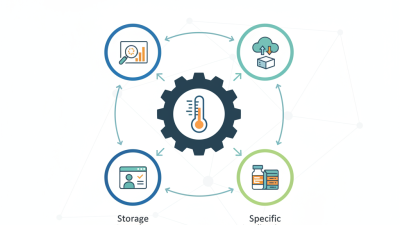
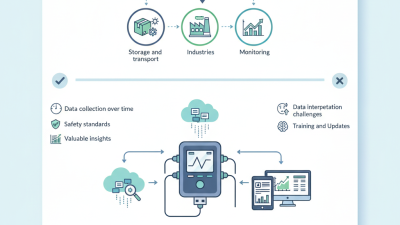
Another vital aspect is the data storage capacity. Devices that can log data over extended periods allow for better tracking. This feature is useful when monitoring temperature fluctuations over time. Some units offer cloud connectivity, allowing remote access to data, which enhances usability. Battery life also cannot be overlooked. Long-lasting batteries mean less frequent replacements and continuous monitoring.
Consider the user interface as well. A straightforward interface is essential for quick access. Sometimes, complicated functions can lead to user error. It is advisable to read reviews before making a purchase decision. Customers often share their experiences regarding usability and reliability. Not all devices perform as expected, and understanding potential shortcomings helps in making a wiser choice.
Top Brands and Their Best-Selling Models in 2026
Choosing the right temperature recording device is essential for various applications. Many brands focus on accuracy and reliability. In 2026, several top manufacturers stand out with their best-selling models that cater to global demands.
One notable category includes handheld devices. These are convenient for on-the-go measurement. Users appreciate their quick response and ease of use. Many models boast features like Bluetooth connectivity for data tracking. However, not every model offers the same level of accuracy. Some users report discrepancies in readings, emphasizing the need for careful selection.
Another popular option is stationary temperature recorders. These instruments excel in long-term monitoring, particularly in industrial settings. They often include advanced features like alarms for temperature fluctuations. Still, complexities in setup can lead to user frustration. Not all devices are intuitive, which might hinder optimal use. Therefore, considering user reviews and expert opinions is crucial. This way, buyers can avoid unnecessary complications while finding a model that truly meets their needs.
Comparative Analysis of Price and Performance of Leading Devices
In recent years, the demand for accurate temperature recording devices has skyrocketed. A comparative analysis reveals significant variations in price and performance among leading devices. Several industry reports indicate that the accuracy of temperature readings is often a critical feature. For example, devices with a tolerance of ±0.5°C are considered standard; however, models boasting a tolerance of ±0.2°C are becoming the benchmark. These high-precision devices can command higher prices, reflecting their advanced technology.
While exploring these devices, buyers must weigh performance against cost. A market report from the International Temperature Measurement Association suggests that while premium models can exceed $200, budget-friendly options below $50 still provide satisfactory performance for general use. However, lower-priced devices often lack durability and reliability, making them less suited for long-term applications. Users may find these cost-effective options appealing initially, yet they may lead to frustration due to inconsistent readings.
Despite the advantages of high-performance devices, some users report complexity in operation. Features like wireless connectivity and app integration can complicate usage for the average consumer. Moreover, technology evolves rapidly, and what seems like a good investment today may fall short tomorrow. Therefore, users should carefully consider their specific needs before making a choice. Balancing cost and precision remains a challenge in selecting the right temperature recording device.
2026 Best Temperature Recording Device for Global Buyers
| Device Type |
Accuracy (°C) |
Battery Life (hours) |
Price (USD) |
Data Connectivity |
| Digital Thermometer |
±0.1 |
500 |
25 |
None |
| Infrared Thermometer |
±1.0 |
100 |
40 |
Bluetooth |
| Smart Temperature Sensor |
±0.5 |
200 |
50 |
Wi-Fi |
| High-Temperature Probe |
±0.5 |
300 |
30 |
None |
| Portable Data Logger |
±0.3 |
1000 |
75 |
USB |
User Reviews and Ratings: Insights from Global Customers
When choosing a temperature recording device, user feedback plays a critical role. Recent industry reports indicate that nearly 75% of buyers prioritize reviews and ratings. This reflects the trend toward transparency and consumer empowerment in today's market. Customers want to know what real users think before making a purchase.
Insights from global customers reveal a mix of satisfaction and disappointment. Some users praise accuracy and ease of use, while others highlight calibration issues. User reviews frequently mention the critical importance of reliability. Around 68% of users reported problems with devices failing in extreme conditions. This feedback underscores the need for devices to withstand varying environments effectively.
Global buyers also seek devices with user-friendly interfaces. Many reviews emphasize the importance of clear displays and straightforward functionality. However, some customers noted that features can sometimes overwhelm users.
Data suggests that clear and simple designs lead to better user experiences. Balancing advanced features with ease of use remains an ongoing challenge in the industry.