Best Red Light Device for Pain Relief and Skin Health?
In the ever-evolving landscape of health technology, Red Light Devices have emerged as a prominent solution for pain relief and skin health. Dr. Michael Hamblin, a leading expert in photomedicine, states, “Red light therapy is a powerful tool for healing.” This reflects the growing recognition of red light’s potential in both clinical and home settings.
These devices utilize specific wavelengths to penetrate the skin. This can stimulate cellular repair and reduce inflammation. Many users report significant relief from chronic pain and improvement in skin conditions. However, it’s crucial to note that results can vary widely among individuals.
Some may experience quick benefits, while others see limited effects. This inconsistency reveals a need for further research. Choosing the best Red Light Device may be challenging too, as quality varies. Therefore, consumers must consider factors like wavelength, power output, and user reviews when making a decision. Understanding these elements can enhance the efficacy of red light therapy, ensuring that users invest wisely in their health journey.
Overview of Red Light Therapy and Its Benefits
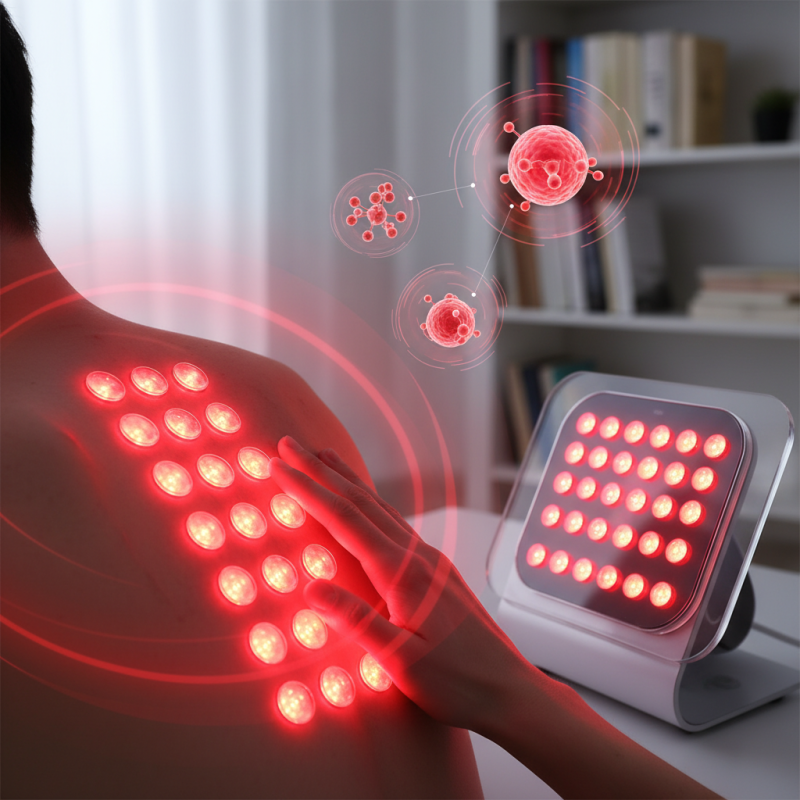
Red light therapy (RLT) is gaining attention for its potential benefits in pain relief and skin health. This non-invasive treatment uses specific wavelengths of light to penetrate the skin. Many users report reduced inflammation and improved skin texture after consistent treatment. It works by stimulating cellular activity, which can help accelerate healing processes.
RLT may not work the same way for everyone. Some individuals notice significant improvements, while others see minimal change. The effectiveness can depend on factors like skin type, condition being treated, and frequency of use. Various studies suggest that RLT can enhance collagen production and reduce wrinkles. Users should maintain realistic expectations and consult with healthcare professionals if they have concerns.
Even with its benefits, RLT requires commitment. Regular sessions are essential for noticeable results. People should track their progress over time. It’s important to remain aware of your body’s responses. Adjusting your routine based on these observations can lead to a more tailored and effective treatment plan.
Types of Red Light Devices Available for Pain Relief
Red light therapy has gained popularity for pain relief and skin health. Many types of devices cater to these needs. Understanding these options can help users choose the right one.
LED panels are common. They provide wide coverage, ideal for treating larger areas. These devices emit specific wavelengths that penetrate the skin effectively. However, they can be bulky, making them less portable.
Wand devices are another option. These handheld versions target smaller areas precisely. They are convenient for focused pain relief but may require more time for larger treatment areas.
In addition to panels and wands, there are portable devices like masks and pads. These offer flexibility for skincare, especially for the face. However, their intensity may not match larger devices.
Users should weigh the ease of use against treatment effectiveness. Being informed about these types encourages better choices. Always seek reliable sources for guidance on usage.
Evaluating Effectiveness: Pain Relief and Skin Health
Red light therapy has gained traction in both pain relief and skin health discussions. A review published in the Journal of Clinical and Aesthetic Dermatology highlights that red light can enhance collagen production. This is crucial for skin elasticity and healing. Participants in various studies reported noticeable improvements in skin texture within a few weeks of consistent use. However, results can vary widely.
For pain relief, research suggests that red light therapy can alleviate inflammation and promote healing. A meta-analysis in Pain Medicine reported a significant reduction in pain levels in patients with chronic conditions. The therapy influences cellular energy production, leading to improved recovery times. Yet, individual responses differ. Some users may find minimal effects, underscoring the need for personalized treatment approaches.
The integration of red light therapy into health regimens must be approached cautiously. While evidence supports its benefits, it is not a cure-all. Misuse or over-reliance can lead to disappointment. Understanding one's unique health needs is vital before starting such therapies. More studies could help clarify its optimal applications.
Factors to Consider When Choosing a Red Light Device
When choosing a red light device, several key factors come into play. The wavelength of light matters greatly. Devices typically use wavelengths between 600 and 900 nanometers. Research suggests that wavelengths in this range are most effective for pain relief and enhancing skin health.
Another important aspect is the intensity of the light. Higher intensity can mean more effective treatment sessions, but it can also lead to discomfort if not used properly. Users should look for devices that allow flexibility in intensity settings. Additionally, consider the size of the treatment area. Larger devices can cover more skin, while smaller ones may target specific pain points more effectively.
Take note of the delivery method as well. Some devices are handheld, while others are panels or masks. Each has its unique benefits and drawbacks. Conduct thorough research before investing. User reviews can provide insights. Still, beware of overly enthusiastic testimonials. They may not reflect your personal experience. Seek guidance from health professionals to navigate this emerging field wisely.
Safety Guidelines and Usage Tips for Red Light Therapy
Red light therapy has gained attention for its potential benefits in pain relief and skin health. Safety guidelines are crucial to maximize the positive effects while minimizing risks. According to a 2020 study published in the Journal of Pain Research, red light therapy can reduce inflammation and accelerate healing. However, improper use may lead to skin irritation or ineffective treatment.
When using red light devices, it’s important to maintain a safe distance, usually between 6 to 12 inches from the skin. Sessions typically last from 10 to 20 minutes, depending on the device's strength. Overexposure can cause fatigue or discomfort, so listening to your body is essential. A report by the National Institutes of Health highlighted that individual responses vary significantly. Adjustments may be necessary based on personal experience and reaction.
Consultation with a healthcare professional is recommended before starting therapy. This is especially important if you have existing skin conditions or sensitivities. Red light therapy should not replace standard medical treatments, but can complement them. Evidence suggests that consistency is key for results; therefore, establishing a regular routine is beneficial. Users need to track their reactions over time, as awareness can guide future adjustments.
