7 Best Biohazard Specimen Bags for Medical Waste?

Choosing the right biohazard specimen bags is a practical safety decision, not a simple purchasing task. In a busy clinic, a bag may hold a leaking swab tube, a blood-stained dressing, or several sealed containers awaiting collection. Its material, closure, labeling area, and puncture resistance can affect every handling step.

Dr. William A. Rutala, a recognized healthcare environmental hygiene expert, has stated, “Cleaning and disinfection are the cornerstones of infection prevention.” That principle also applies to waste containment. A strong bag supports safer handling, but it cannot correct poor segregation, overfilling, or careless closure. Small details matter.

This guide reviews seven biohazard specimen bags for medical waste, focusing on real-world performance rather than attractive packaging. We consider leak resistance, seal design, visibility, capacity, usability with gloves, and compatibility with facility procedures. Some products may perform well in laboratories but feel awkward during high-volume collection. Others may offer excellent durability while lacking enough writing space. There is no perfect bag.

The best choice depends on specimen type, workflow, storage time, and disposal arrangements. Staff should always follow the manufacturer’s instructions and applicable healthcare-waste requirements. A bright warning symbol helps, but clear labeling remains essential. So does an intact seal.

These recommendations are designed to support informed comparison. They are not a substitute for site-specific risk assessment. Even experienced teams can overlook simple weaknesses, especially when supplies are rushed.
7 Best Biohazard Specimen Bags for Medical Waste?

What Are Biohazard Specimen Bags and Why Are They Used?

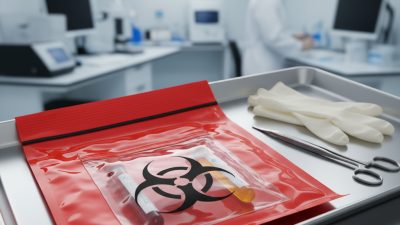
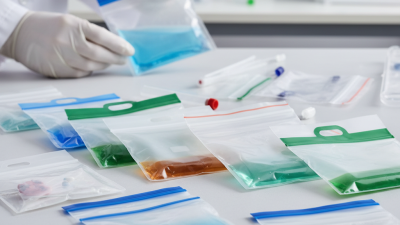
Biohazard specimen bags are leak-resistant bags designed to hold samples that may contain infectious material. They commonly have a clear inner pouch and a separate document pocket. This design keeps paperwork away from the specimen. Red or orange markings help staff identify potential hazards quickly. These bags are not ordinary plastic bags. Their seams, closures, and material must resist leaks during routine handling. A small tear can contaminate gloves, trays, or nearby surfaces. That risk is easy to underestimate.

Hospitals, clinics, laboratories, and collection centers use them for blood tubes, swabs, tissue containers, and other specimens. After collection, staff place the sealed container inside the bag and close it securely. The outer layer provides an added barrier during movement between rooms or facilities. It does not sterilize the specimen. Important distinction.

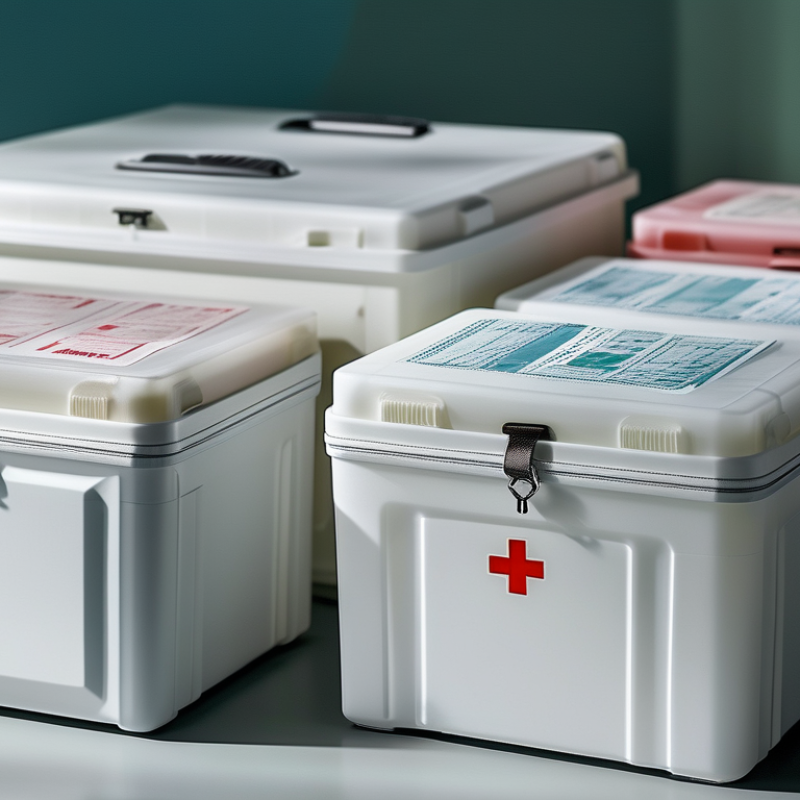
For external transport, the bag may need a rigid secondary container and additional protective packaging. Procedures should follow institutional requirements and applicable transport rules.

Good practice begins with inspecting each bag before use. Staff should choose a suitable size and avoid overfilling it. Labels need accurate patient identification, collection details, and hazard information. Gloves and other protective equipment may be required. Color alone is not enough. A damaged label or weak seal can delay testing and increase exposure risks. Product instructions also deserve attention, because materials and closure systems vary. In busy settings, convenience sometimes replaces careful checking. That habit needs reconsideration.

Which Features Define a Reliable Biohazard Specimen Bag?

A reliable biohazard specimen bag is more than a red plastic pouch. Its first duty is containment: a leak-resistant seal, strong seams, and enough puncture resistance for routine handling. The CDC recommends leakproof primary packaging and secure secondary packaging for many infectious-substance shipments. That guidance matters in clinics, where a wet specimen label can become unreadable within seconds. I would inspect the closure with gloved hands before trusting it. Small failures matter.

Material thickness should match the specimen and disposal route, not merely the advertised capacity. A clear outer panel helps staff verify contents without opening the bag. A separate document pocket protects requisitions from contamination and moisture. Use a visible biohazard symbol, specimen identifier, collection time, and hazard information when required. The WHO/UNICEF Joint Monitoring Programme’s 2023 report found that one in four healthcare facilities lacked basic waste-management services in 2021. That gap makes simple design choices operationally important.

Capacity control is easy to overlook. Overfilled bags strain seals, hide labels, and increase handling errors. Choose a fill line, tamper-evident closure, and rigid secondary container when movement could cause damage. OSHA estimates that about 5.6 million U.S. healthcare workers may face occupational exposure to bloodborne pathogens. The figure is not a bag-performance test, but it shows why consistent containment practices deserve attention. Still, color alone proves nothing. Review leakage, tensile-strength, and puncture-test evidence; instructions should match the actual workflow.

Seven Types of Biohazard Specimen Bags for Medical Waste

Medical waste needs containment that matches the specimen, handling route, and disposal process. The World Health Organization estimates that about 15% of healthcare waste is hazardous, including infectious materials and contaminated items (WHO, 2024). A suitable bag reduces leakage, contact, and handling errors.

Seven types serve different practical needs. Flat leak-resistant bags suit routine swabs and small containers. Zip-seal specimen bags close quickly at collection points. Absorbent-lined bags help manage liquid samples after accidental breakage. Double-containment bags add protection during internal transport. Autoclavable bags support treatment before disposal. Tamper-evident bags show possible interference during transfer. Rigid-supported transport bags protect specimens when compression is likely. Some facilities also use red or yellow bags, but color meanings vary by region. Check local procedures.

A strong bag is not automatically the right bag. An overlarge bag can shift, tear, or trap air around a container. A thin bag may fail when wet waste presses against its seams. In practice, staff should inspect seals, thickness, closure strength, and labeling space before purchase. Keep sharps outside ordinary specimen bags. They require approved puncture-resistant containers. The WHO also stresses segregation at the point of generation, where mistakes are easier to prevent (WHO, 2024). That step is often overlooked. Personnel training matters as much as plastic performance, and even good systems need periodic review.

Seven Biohazard Specimen Bag Types for Medical Waste

The chart compares common design features found in seven specimen and medical-waste bag configurations. Feature availability can vary by product specification and local regulatory requirements.

Absorbent liners help contain liquid leakage, separate pockets support paperwork handling, tamper-evident seals show unauthorized opening, and autoclavable materials are designed for validated steam-sterilization processes. Always follow applicable medical-waste handling procedures.

How to Choose the Right Specimen Bag for Each Waste Category?

Choosing the right specimen bag starts with the waste category, not its color. The World Health Organization reports that about 85% of healthcare waste is general, while 15% is hazardous (WHO, Health-care Waste Fact Sheet, 2024). That distinction matters.

Use a certified biohazard bag for contaminated swabs, cultures, gloves, and blood-stained materials. Choose a leak-resistant specimen bag with a separate document pocket for transported samples. Use puncture-resistant containers for sharps, never flexible bags. Pathological waste needs sealed, leakproof packaging with stronger secondary containment. Cytotoxic and pharmaceutical waste require dedicated, chemically compatible systems. General waste belongs in ordinary disposal streams when local rules permit it. Recycling needs clean separation.

Look for thickness, seam strength, closure security, and compatibility with the expected liquid load. A bag should remain upright beside a procedure tray, not collapse around wet gauze. Double-bagging may help when the outer surface becomes contaminated, but it is not a substitute for correct packaging. Color codes vary between jurisdictions. Check the facility’s written protocol.

The WHO and UNICEF Joint Monitoring Programme reported that only 61% of healthcare facilities had basic waste management services in 2021 (JMP, 2023). That gap shows why simple selection rules matter. I would still question one common habit: choosing the thickest bag for every task. It increases material use without guaranteeing safety. Train staff to match the bag, liner, container, and final treatment method. Record failures, especially leaks, unclear labels, and overloaded bags.

Safe Handling, Sealing, Storage, and Disposal Practices

Selecting one of the seven best biohazard specimen bags starts with containment, not appearance. Choose bags made for clinical waste, with leak-resistant seams and clear hazard marking. Match the bag size to the load. Overfilling weakens closure points and makes handling awkward. Keep specimens in primary, closed containers before placing them inside the bag. Absorbent material may be needed when liquid leakage is possible. Small details matter.

Wear the protective equipment required by your facility’s risk assessment. Inspect each bag for tears, thin spots, or damaged closures before use. Place waste gently; do not push it down by hand. Remove excess air only when safe, then seal using the bag’s intended closure. A loose tie is not a seal. Label the contents, date, and responsible area according to approved procedures. If the outside becomes contaminated, place the bag into a second suitable bag. Clean hands after removing gloves. This step is often rushed.

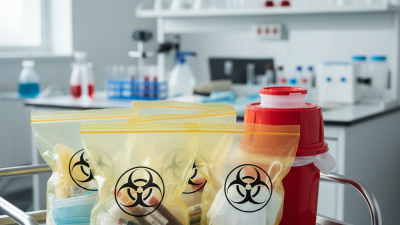
Store sealed bags in a secure, designated area away from clean supplies, heat, pests, and public access. Keep them upright when practical, and prevent contact with sharp objects. Never place sharps or incompatible materials in ordinary specimen bags. Use approved rigid containers for sharps. Trained personnel should move waste in leak-resistant carts, following facility procedures and local requirements. Disposal must use an authorized medical-waste route, not general rubbish. If a bag leaks, isolate the area and follow the incident plan. Improvising with household materials can worsen exposure. Review the process after each near miss. Perfect handling is difficult, but repeated small corrections improve reliability.

7 Best Biohazard Specimen Bags for Medical Waste: Safe Handling, Sealing, Storage, and Disposal Practices

No. Bag Type Best Application Typical Construction and Closure Safe Sealing and Handling Storage Guidance Disposal Practice Important Selection Check
1 Standard Leak-Resistant Specimen Bag Routine transport of sealed laboratory specimens, such as blood, urine, and swab containers. Usually made from transparent, puncture-resistant polyethylene with a zip-lock or adhesive closure and a printed biohazard symbol. Check that the primary container is closed and clean on the outside. Place it upright in the bag, remove excess air, and fully close the seal. Do not overfill. Follow the specimen-specific temperature and time requirements. Keep the bag protected from sharp objects, crushing, heat, and direct sunlight. If contaminated or used, place it in the designated regulated medical waste stream according to local requirements. Do not recycle contaminated bags. Confirm documented leak resistance, closure integrity, adequate size, and compatibility with the intended specimen container.
2 Dual-Pocket Specimen and Document Bag Clinical specimens that must travel with requisitions, labels, or chain-of-custody documents. Two separate compartments: one leak-resistant pocket for the specimen and one dry pocket for paperwork. Commonly uses separate zip or adhesive closures. Place paperwork only in the dry compartment. Keep request forms outside the specimen compartment and verify that both sections are securely closed. Store and transport according to the specimen protocol. Protect the document pocket from moisture and prevent labels from covering the biohazard marking. Dispose of the contaminated bag as regulated medical waste. Handle documents according to privacy, records-retention, and institutional procedures. Ensure the two compartments are fully independent and that the specimen pocket remains leak-resistant when the document pocket is loaded.
3 Absorbent-Lined Specimen Transport Bag Liquid specimens or multiple containers where additional spill protection is needed. Leak-resistant outer polyethylene bag with an integrated absorbent pad or liner. Closure may be zip-lock, adhesive, or heat-sealed. Use only when the absorbent capacity is sufficient for the total liquid volume. Keep the absorbent material in position and inspect the seal before movement. Keep upright whenever practical and use secondary containment when required. Follow the test-specific temperature limits rather than relying on the bag alone. Treat the used bag and saturated absorbent as regulated medical waste. Do not open, rinse, or reuse a contaminated liner. Check the stated absorbency capacity, liner coverage, chemical compatibility, and resistance to tearing or puncture.
4 Tamper-Evident Specimen Bag Forensic, workplace-testing, research, or other specimens requiring documented chain of custody. A leak-resistant bag with a one-time adhesive seal, serialized label, tear strip, or visible opening indicator. Record the seal number when applicable. Press the seal across its full length, inspect for gaps, and document any evidence of tampering before acceptance. Maintain controlled access and the required temperature. Record transfers, receipt times, and seal condition in the chain-of-custody documentation. After authorized testing or retention, dispose of the bag through the applicable regulated medical waste process while preserving required records. Tamper evidence does not replace leak resistance, proper packaging, or a documented chain-of-custody procedure.
5 Category B Transport Packaging with Specimen Bag Transport of specimens classified as UN3373 Biological Substance, Category B, when shipped by road, air, or other regulated carrier. The bag is used as part of a compliant system that generally includes a leakproof primary receptacle, absorbent material, leakproof secondary packaging, and a rigid outer package. Use packaging that has been designed and documented for the applicable transport requirements. Keep the primary container and secondary packaging closed before placing them in the outer package. Use the temperature-control materials specified by the test protocol. Do not place dry ice in a sealed container that cannot safely vent carbon dioxide. Manage contaminated components as regulated medical waste after receipt, testing, or authorized decontamination, following facility and jurisdictional rules. A biohazard bag alone is not proof of UN3373 compliance. Verify applicable packing instructions, labeling, training, and carrier requirements.
6 Cold- or Cryogenic-Rated Specimen Bag Frozen specimens, long-term biobanking, or workflows involving very low temperatures. Specialized low-temperature plastic construction with a closure and labeling surface designed for cold handling. Some applications require a separate sealed cryovial or secondary container. Confirm that both the bag and the primary container are rated for the intended temperature. Inspect for brittleness, cracking, frost damage, or seal failure before handling. Use the validated freezer or cryogenic storage system. Do not assume that a standard polyethylene bag is suitable for liquid nitrogen or ultra-low-temperature exposure. Allow frozen materials to be managed under the facility’s biosafety procedure. Dispose of contaminated bags through the approved medical waste route after safe thawing or decontamination, where permitted. Look for documented temperature performance, closure reliability after freezing, label adhesion, and compatibility with the storage equipment.
7 Heavy-Duty Biohazard Secondary-Containment Bag Secondary containment for multiple sealed specimen bags, contaminated materials, or short-term movement within a healthcare facility. Thicker polyethylene construction with a tie closure, drawstring, adhesive flap, or other secure closure. It is intended to contain, not replace, properly closed primary containers. Do not place exposed sharps, broken glass, or unsealed liquid containers directly into the bag. Keep the load within the stated capacity and close it before movement. Keep in a labeled, secure area with limited access. Use a rigid, leak-resistant outer container when puncture, compression, or significant spill risk exists. Close and label the bag according to facility policy, then place it in the appropriate regulated medical waste container for authorized treatment or disposal. Verify load capacity, puncture resistance, closure strength, biohazard labeling, and compatibility with the facility’s waste-management process.
Safety note: Biohazard specimen bags are not suitable for loose sharps. Place needles, blades, and other sharps in approved puncture-resistant sharps containers. Always follow the specimen protocol, facility biosafety procedures, applicable transport rules, and local medical-waste regulations.