2026 Top Temperature Data Logger with Probe Options You Should Consider?
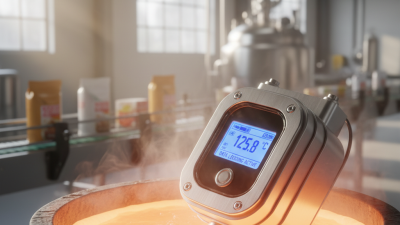
In many industries, monitoring temperature is critical. The right device can make all the difference. A temperature data logger with probe options is essential for precise measurements. These devices track temperature changes and help maintain product quality.
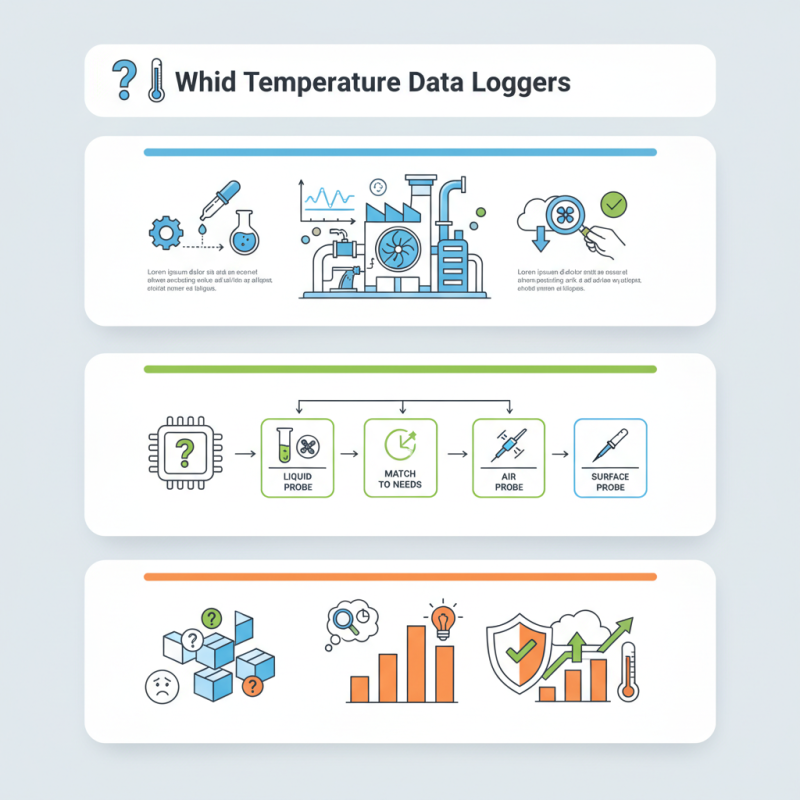
When evaluating temperature data loggers, consider their versatility. Different probes offer unique advantages for various applications. For instance, some probes excel in liquid environments. Others are better suited for air measurements. It is crucial to match the probe type to your specific needs.
Choosing the best option can be challenging. Many available models can confuse users. The variability in specifications sometimes leads to regretful decisions. Users might overlook features that would have greatly improved data accuracy. Investing time in finding the right temperature data logger with probe is a valuable step.
Overview of Temperature Data Loggers and Their Importance
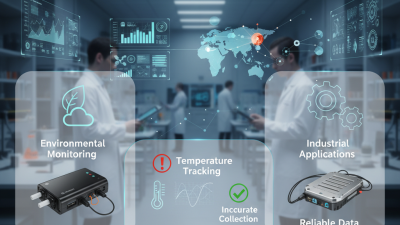
Temperature data loggers play a crucial role in many industries. They monitor and record temperature variations over time. These devices are essential for ensuring product quality, especially in food and pharmaceuticals. According to a recent industry report, nearly 30% of spoiled food incidents result from improper temperature control.
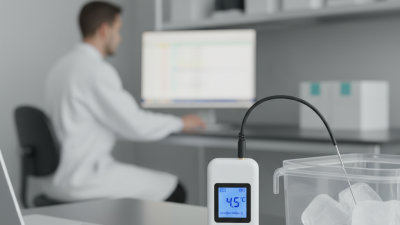
Using a data logger with a probe is beneficial. Probes can measure temperature in various environments. They can be used for liquids, gases, or even specific surfaces. The versatility of these devices makes them vital in different settings, from laboratories to warehouses.
Tip: Consider the range and type of probe needed for your specific application.
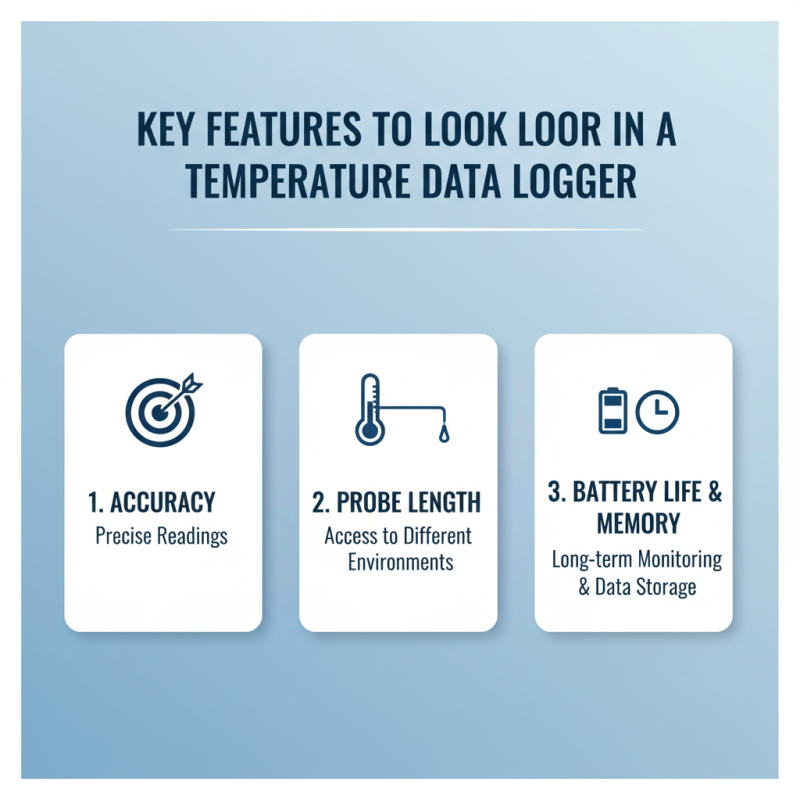
It’s important to choose a data logger that meets your needs. Look for features like battery life and data storage capacity. Some models may not offer sufficient memory for long-term monitoring, which can lead to gaps in your data.
Tip: Review technical specifications carefully. Make sure the device can handle the conditions in your working environment. This attention to detail can prevent costly mistakes.
Types of Probes Available for Temperature Data Loggers
When selecting a temperature data logger, one crucial factor is the type of probe it uses. Probes can vary greatly depending on the application. There are thermocouple probes, which are favored for their wide temperature range and quick response time. They can measure extreme temperatures, making them suitable for various industrial settings. However, calibration may be a headache over time.
Another popular option is thermistor probes. These are precise and sensitive but operate within a narrower temperature range. They excel in environments that require tight control, like laboratories or food storage. Though, the limited range could lead to issues in applications needing broader measurements.
Resistance temperature detectors (RTDs) are also a good choice for accurate readings. They provide stable and repeatable data. However, they are generally more expensive and can be bulkier. It's crucial to assess the trade-offs of each type. Some users may overlook a probe's specifications, only to find later that it can't handle their requirements. Finding the right fit means understanding your specific needs.
Top 2026 Temperature Data Loggers with Probe Options Reviewed
When choosing a temperature data logger, probe options are crucial. These additions can enhance accuracy and versatility. A good probe enables monitoring in diverse environments. It can handle extreme temperatures, whether hot or cold. Compatibility with various types of samples is vital, too. Some loggers can measure surface temperatures, while others dive into liquid.
Calibration is often neglected but is essential. Users may overlook the need for regular checks. Without calibration, data reliability decreases. The ease of changing probes also impacts user experience. A complex attachment process can frustrate users. Simplicity is key for effective data collection.
Consider the environment where the logger will be used. Some may excel indoors, while others are fit for field use. Weatherproof designs often extend usability. Always check the specifications before purchasing. The right choice significantly affects data integrity over time. In the end, reflect on your specific needs before making a decision.
2026 Top Temperature Data Logger with Probe Options You Should Consider
| Model |
Temperature Range (°C) |
Accuracy (°C) |
Logging Capacity |
Probe Options |
Connectivity |
| Model A |
-40 to 125 |
±0.5 |
30,000 readings |
Standard, Surface, Immersion |
USB, Bluetooth |
| Model B |
-50 to 100 |
±0.3 |
50,000 readings |
Flexible, Rigid, Wireless |
Wi-Fi, USB |
| Model C |
-20 to 80 |
±0.6 |
20,000 readings |
Air, Water, Food |
Bluetooth, Cloud |
| Model D |
0 to 150 |
±0.4 |
40,000 readings |
Thermocouple, PT100, Infrared |
Wi-Fi, Ethernet |
Comparative Analysis of Pricing and Performance for Selected Models
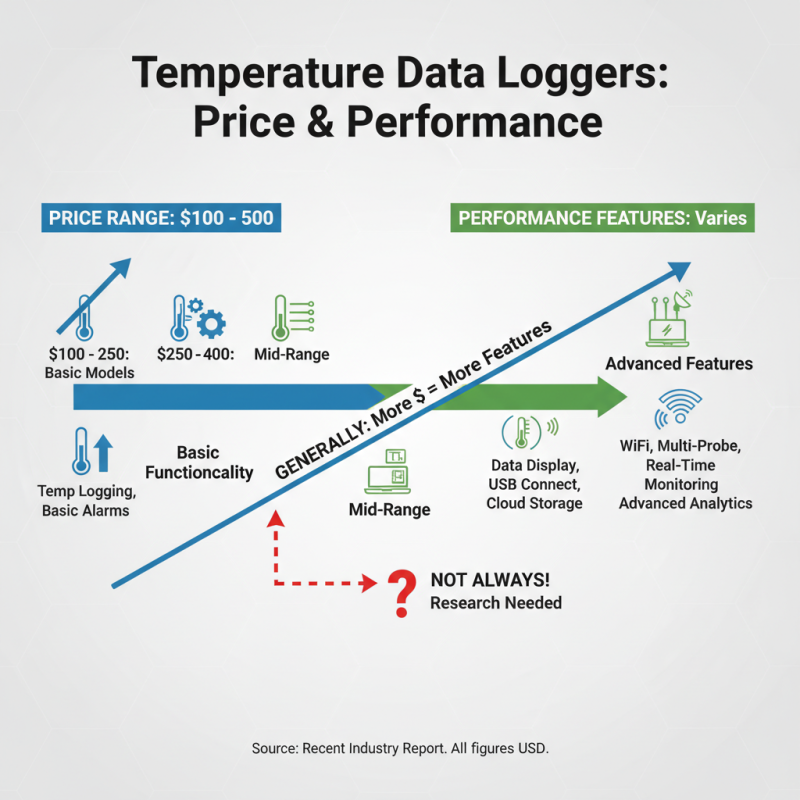
When selecting a temperature data logger, understanding pricing and performance is crucial. A recent industry report indicates that the average price range for reliable models is between $100 and $500. However, performance can vary significantly within this range. For instance, some models may offer basic functionality, while others include advanced features like Wi-Fi connectivity and multi-probe capabilities. The additional cost often aligns with enhanced performance, but this isn’t always the case.
Many users report being overwhelmed by choices. Certain models may seem enticing due to their low price but often compromise on data accuracy. In contrast, higher-priced units frequently have better sensors and faster response times. A comparative analysis shows that models priced at $300 or above typically provide more consistent and precise readings. Yet, the higher investment does not universally guarantee better performance across all environments and applications. Ultimately, it's essential to assess both features and reviews to ensure the right match for your needs.