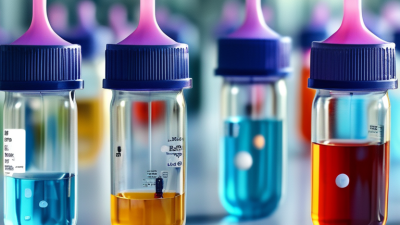
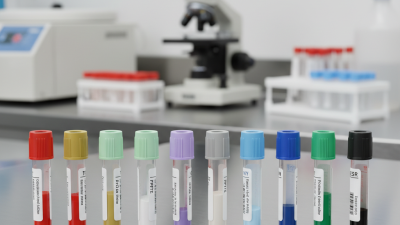
Choosing the right vacutainer tubes in 2026 requires more than comparing colors or prices. Global buyers must examine additives, tube materials, fill volumes, closures, sterility, and transport performance. A lavender-top EDTA tube may suit hematology, while a light-blue citrate tube demands accurate filling for coagulation testing. Small details matter. A short draw can distort results.
Dr. Mario Plebani, a respected laboratory medicine expert, has emphasized, “The preanalytical phase is the most vulnerable part of the total testing process.” His observation remains highly relevant for international procurement. Tube selection affects specimen stability before testing even begins. It also influences analyzer compatibility, staff workflow, storage conditions, and rejection rates. Experienced buyers should request lot-specific documentation, validation data, and clear technical instructions. They should also confirm compatibility with regional logistics and laboratory equipment.
No universal ranking fits every hospital or diagnostic network. That assumption can fail. A tube performing well in a temperate warehouse may behave differently during long, humid transport. Buyers should review temperature exposure, packaging strength, labeling clarity, and traceability. Supplier reliability matters as much as product specifications. Yet specifications alone are not enough. Practical trials with local samples can reveal overlooked problems, including clotting, hemolysis, or insufficient volume. This guide examines the best vacutainer tubes for global buyers in 2026, while recognizing that “best” depends on test requirements, workflow realities, and evidence-based validation.
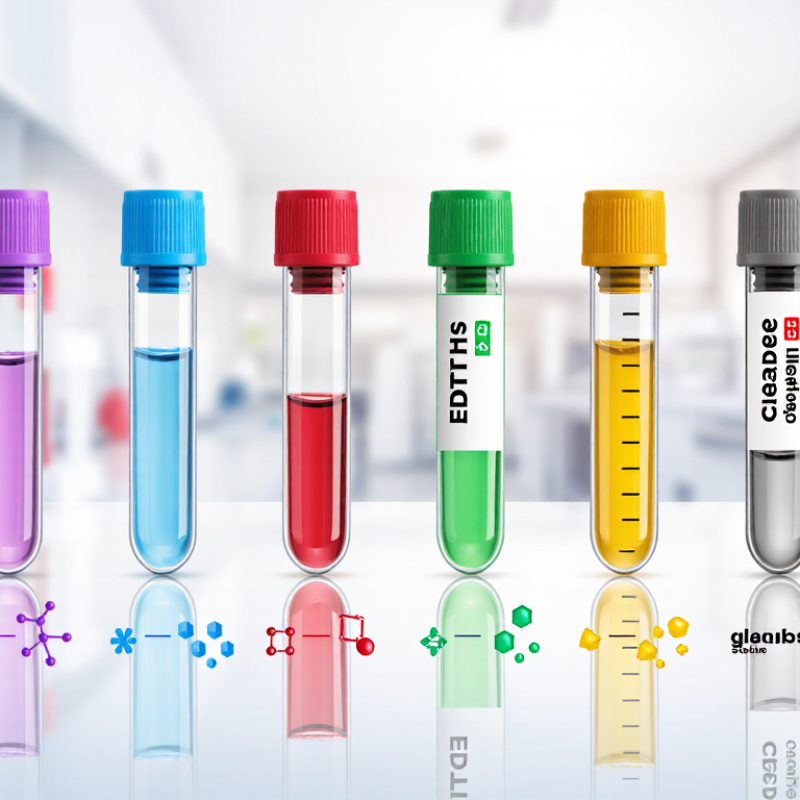
Vacutainer tubes are sealed blood collection tubes designed to draw, protect, and transport patient specimens. Each tube contains a specific additive, or no additive, for a defined laboratory test. The tube type matters because additives can change clotting, cell shape, glucose levels, or electrolyte results. A purple-top tube commonly supports hematology testing, while a light-blue tube supports coagulation analysis. Serum tubes are often used for chemistry and immunology work. These choices are not interchangeable.
Tips: Check the test directory, tube color, additive, fill volume, and storage temperature before purchasing. Confirm needle and analyzer compatibility. A tube that looks suitable may still fail a local validation check. Ask suppliers for material data, sterility information, batch traceability, and transport testing. Global buyers should also compare labeling languages and regional packaging requirements.
Collection technique remains important. Underfilling a coagulation tube can distort the blood-to-additive ratio. Shaking too hard may cause hemolysis. Delayed separation can alter unstable analytes. In busy clinics, staff may select tubes from memory, which is understandable but risky. Clear rack layouts and short training cards reduce mistakes. Even experienced teams should review procedures when instruments, additives, or local test menus change. Tube performance is never only about color; it depends on the specimen, process, and intended result.
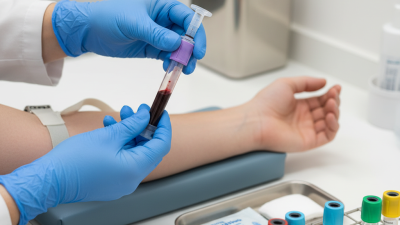
Vacutainer tubes are evacuated blood-collection tubes designed to draw, preserve, transport, and prepare blood specimens for laboratory testing. Tube type matters because the additive, specimen-to-additive ratio, and intended specimen determine result accuracy and sample stability.
The chart shows representative nominal blood-draw volumes commonly used for major tube categories. Actual volumes vary by laboratory protocol, analyzer requirements, tube size, and local regulatory standards. Buyers should verify additive compatibility, required fill ratio, sterility, closure integrity, labeling, and transport conditions before procurement.
Choosing the correct blood collection tube begins with its additive, not its color. Color is only a clue. Regional standards and manufacturers may use different shades, so buyers should confirm the label and instructions for use.
Light blue tubes usually contain sodium citrate for coagulation tests. The fill level matters because blood must meet the stated blood-to-additive ratio. Red tubes commonly contain no anticoagulant, while gold tubes often include a clot activator and separating gel for serum testing. Green tubes generally contain heparin and support many plasma chemistry tests.
Lavender tubes usually contain EDTA for hematology, including complete blood counts. Gray tubes often contain fluoride with an additional anticoagulant for glucose preservation. Black tubes may contain citrate for erythrocyte sedimentation testing. Yellow tubes can contain different additives, such as a culture-preserving solution or acid citrate dextrose. Never assume.
A practical check includes cap color, printed additive, expiration date, tube integrity, and required fill volume. During procurement, compare the product specification with the receiving laboratory’s validated procedure. The order of draw also reduces additive carryover, although local protocols should control practice. Some details remain easy to overlook. A familiar color can create false confidence. For global purchasing, request samples and verify performance before approving a large shipment.
The table below summarizes commonly used evacuated blood collection tube colors, additives, specimen types, and typical laboratory applications. Color conventions may vary by country, laboratory, and manufacturer; always confirm the tube specification and local collection standard before purchasing or use.
| Tube Color | Common Additive | Specimen Obtained | Typical Applications | Typical Inversion | Key Handling Notes | Buyer Verification Points |
|---|---|---|---|---|---|---|
| Light Blue | Buffered sodium citrate, commonly 3.2% (0.109 mol/L) | Citrated plasma | PT/INR, aPTT, fibrinogen, D-dimer, and other coagulation studies | 3–4 gentle inversions | Must be filled to the stated volume to maintain the 9:1 blood-to-citrate ratio. Do not transfer blood from another tube. | Citrate concentration, fill volume, tube material, expiration date, and validated blood-to-additive ratio |
| Red | No additive, or clot activator in some versions | Serum | Selected chemistry, serology, immunology, and therapeutic drug testing | If clot activator is present, follow the supplier’s instructions | Allow the specimen to clot fully before centrifugation. Clotting time depends on the tube and laboratory protocol. | Confirm whether the tube is plain or contains clot activator; check serum yield and recommended clotting time |
| Gold | Clot activator and polymer gel separator | Gel-separated serum | Routine clinical chemistry, hormones, serology, and many immunoassays | 5 gentle inversions | Allow complete clot formation before centrifugation. Gel performance can be affected by temperature, centrifuge settings, and prolonged contact with cells. | Gel formulation, clotting time, centrifugation requirements, analyte compatibility, and transport temperature range |
| Orange | Thrombin-based rapid clot activator, with or without gel depending on the design | Rapidly obtained serum | Urgent serum chemistry and selected STAT testing | 5–6 gentle inversions | Use only for assays validated with the specific rapid-clotting formulation. Follow the manufacturer’s clotting and centrifugation times. | Thrombin type, presence of gel, validated analytes, clotting time, and stability during transport |
| Green | Heparin, commonly lithium heparin or sodium heparin | Heparinized plasma or whole blood | Plasma chemistry, electrolytes, blood gases in validated formats, and selected special tests | 8–10 gentle inversions | Do not use for tests affected by heparin or for routine coagulation testing. Lithium heparin is generally preferred when lithium measurement is required. | Heparin salt, concentration, plasma versus whole-blood suitability, and interference profile |
| Light Green | Lithium heparin and polymer gel separator | Gel-separated plasma | Routine plasma chemistry and selected urgent chemistry tests | 8–10 gentle inversions | Mix immediately after collection. Centrifuge according to the validated protocol and avoid excessive delay before separation. | Lithium heparin concentration, gel barrier performance, centrifugation requirements, and assay compatibility |
| Lavender/Purple | EDTA, usually dipotassium EDTA or tripotassium EDTA | EDTA-anticoagulated whole blood or plasma | Complete blood count, blood film, reticulocyte count, and selected hematology tests | 8–10 gentle inversions | Underfilling can increase the EDTA-to-blood ratio and affect results. Avoid vigorous shaking and analyze within the laboratory’s stability limits. | EDTA salt, fill volume, tube dimensions, platelet-clumping performance, and hematology analyzer validation |
| Pink | K2 EDTA, generally formulated for transfusion-service samples | EDTA-anticoagulated whole blood or plasma | ABO/Rh typing, antibody screening, compatibility testing, and other blood-bank procedures | 8–10 gentle inversions | Positive patient identification and specimen traceability are critical. Follow the receiving blood-bank requirements for labeling and volume. | Blood-bank acceptance criteria, EDTA type, labeling requirements, expiration, and traceability features |
| Gray | Sodium fluoride with potassium oxalate, or sodium fluoride with another anticoagulant | Preserved plasma or whole blood | Glucose, lactate, and selected tests requiring glycolysis inhibition | 8–10 gentle inversions | The exact additive combination matters. Fluoride tubes are not automatically suitable for every glucose or lactate method. | Fluoride concentration, co-additive, intended analytes, storage conditions, and laboratory method validation |
| Yellow | Sodium polyanethol sulfonate (SPS) for microbiology; acid-citrate-dextrose (ACD) in other versions | SPS-anticoagulated blood or ACD-preserved whole blood | Blood cultures with SPS; selected cellular studies, HLA testing, or DNA-related procedures with ACD | 8–10 gentle inversions | Yellow is not a single universal formulation. Select SPS or ACD according to the intended test and laboratory protocol. | Exact additive, sterility requirements, volume, culture-bottle compatibility, and intended application |
| Royal Blue | May be trace-element certified: no additive, clot activator, or EDTA depending on the version | Serum, plasma, or whole blood depending on the additive | Trace-element and heavy-metal testing, including selected metals such as lead, zinc, or copper | Follow the tube-specific instructions | Use certified low-contamination materials and avoid collection-site contamination. The cap color alone does not identify the additive. | Trace-element certification, additive type, lot documentation, contamination limits, and analyte-specific validation |
Choosing the correct Vacutainer tube type begins with the laboratory test, not the tube color. Colors can vary by manufacturer and country, so the additive must be verified.
For complete blood counts, use a lavender-top tube containing EDTA. It preserves cellular detail for hematology analysis. Coagulation tests, such as prothrombin time, generally require a light-blue tube with sodium citrate. The fill volume matters because the blood-to-additive ratio affects results. A short draw can mislead the analyzer.
Serum chemistry, hormones, and many antibody tests usually require a red-top or gold-top serum tube. A green-top heparin tube is often suitable for rapid plasma chemistry. Glucose testing commonly uses a gray-top tube containing an antiglycolytic additive. Blood bank samples may require a pink-top EDTA tube, depending on local procedures.
One detail is easy to miss. A tube color is not a universal standard. Always check the test directory and collection manual. In practice, I recheck unusual requests before collection, especially for specialized assays. Small handling errors can produce large clinical consequences.
The tube should be gently inverted, not shaken, and processed within the laboratory’s stated time. Mistakes still happen, even in experienced teams. Reviewing them improves reliability.
For global buyers, choosing vacutainer tube types in 2026 requires more than comparing prices. Quality begins with the intended specimen, testing method, storage temperature, and transport time. Serum, plasma, and whole-blood workflows may require different additives and tube materials. A reliable supplier should explain these differences clearly, not hide them behind technical language. Ask for lot-specific certificates, sterility evidence, additive verification, and documented shelf-life data. Small details matter. A loose cap or uneven fill volume can affect laboratory results.
Compliance should be checked before purchase, not after shipment. Review manufacturing-site credentials, quality-system records, labeling accuracy, and traceability procedures. Confirm that product documentation matches the destination market and your institution’s procurement rules. Independent test reports can strengthen confidence, especially for large tenders. Still, paperwork is not proof of daily consistency. Request samples from multiple lots and compare clotting, mixing, leakage, and centrifugation performance under realistic conditions. Our experience? A tube that performs well once may still disappoint in routine use.
Tips: Build a written supplier scorecard covering quality, response time, capacity, complaint handling, and continuity planning. Ask how temperature excursions are investigated. Check packing strength with a practical drop test. Keep evaluation records. If a supplier refuses reasonable technical questions, pause the order. The cheapest option is rarely the safest long-term choice, although premium pricing alone proves little. Review performance after delivery and revise your criteria when evidence changes.
Selecting vacutainer tubes for international use begins with the laboratory test, not the tube color. Serum tubes suit many chemistry and serology tests. EDTA tubes preserve whole blood for hematology. Citrate tubes support coagulation testing and require the correct blood-to-additive ratio. Heparin tubes commonly serve plasma chemistry work. Fluoride tubes can help stabilize glucose. Always confirm the receiving laboratory’s validated requirements.
Handling details often determine specimen quality. Check the tube type, additive, expiration date, and packaging before collection. Fill citrate tubes to the marked line. Underfilling may distort coagulation results. Gently invert tubes according to the manufacturer’s instructions. Never shake them. That mistake can cause hemolysis. Labels should remain readable after refrigeration and transport. Use leak-resistant secondary packaging and temperature controls suited to the test.
International shipments need careful coordination between the sending and receiving laboratories. Confirm accepted tube materials, required volume, transport temperature, and maximum transit time in writing. Keep a record of collection time and temperature exposure. Delays happen. Even experienced teams sometimes overlook time-zone differences or weekend storage. A small pre-shipment checklist prevents avoidable rejection. Local import, transport, and clinical requirements may also differ, so technical staff should verify them before dispatch.